
Script Templates for Micro-Influencers
A home-organization creator with 45,000 followers recently received a brief for a premium label maker. The brand wanted a 'lifestyle integration' that highlighted three specific features, but the creator’s audience typically responds best to unpolished, high-speed ASMR sorting clips. This tension is where most micro-influencer deals fail: the brand wants a commercial, while the followers want the person they trust. When a script leans too far into the polish of a mega-influencer, the engagement rate drops because the 'friend-to-friend' vibe is broken. WeKlapp handled this by analyzing the creator's last ten high-performing reels to identify their natural verbal crutches and pacing. Instead of a stiff product intro, the tool suggested a messy 'before' state where the problem was visceral, weaving the brand requirements into the actual solution rather than stopping the video to talk at the camera.
Built for micro-influencers with 10K to 100K followers
Brief intake from PDF or plain text
Multiple script variations per brief
AI judge panel + scene-by-scene revisions
One Trouser, Three Outfits (Petite-Friendly Fit Note)
Hook: “These wide-leg trousers work for the office, dinner, and the weekend — and yes, I'm 5'2".”
Angle: A petite lifestyle creator proves wide-leg tailored trousers are a three-occasion staple, not just a tall-girl trend.
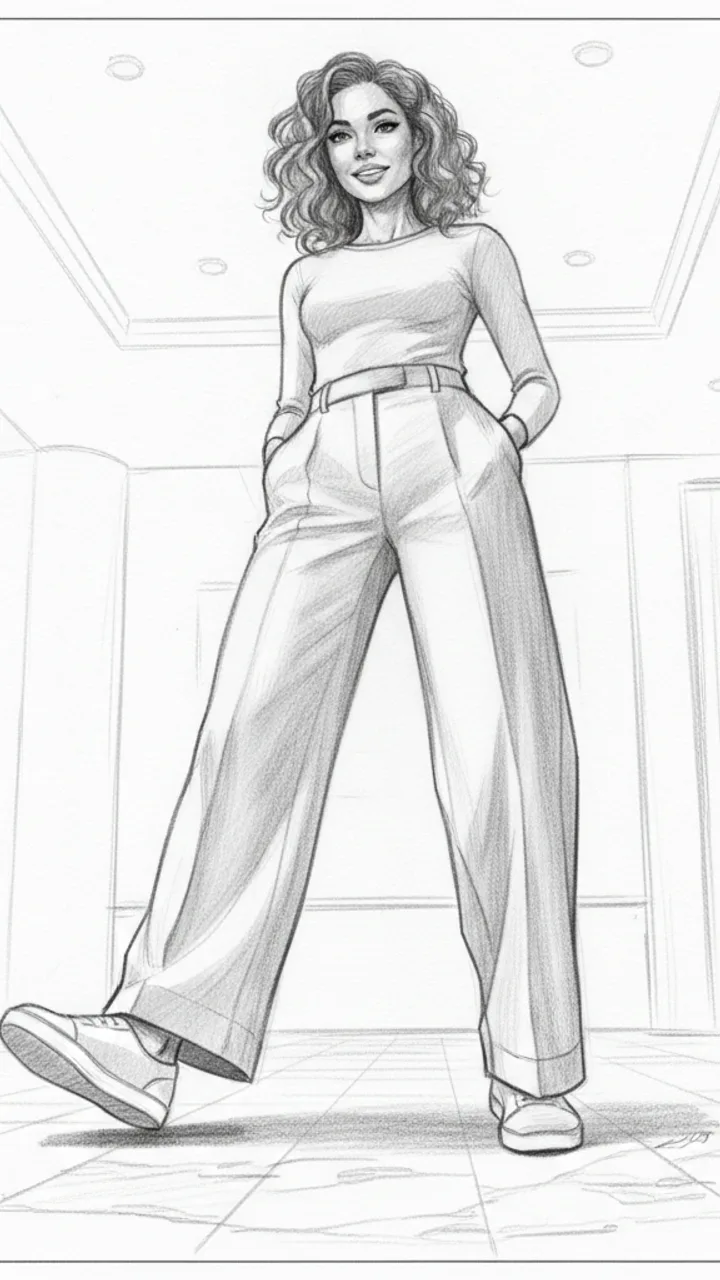
Hook
0:00 - 0:03 · 3s
Visual: Close-up, low-angle shot starting at the hem of wide-leg trousers pooling slightly on the floor, slowly panning up to creator's confident face. Text overlay centred on screen: 'ONE TROUSER. THREE WAYS. (Petite girl approved.)'
Audio: These wide-leg trousers work for the office, dinner, and the weekend — and yes, I'm 5'2".
Note: Hook line doubles as thumbnail headline. Keep pan smooth and slow — the fabric drape is the visual sell.
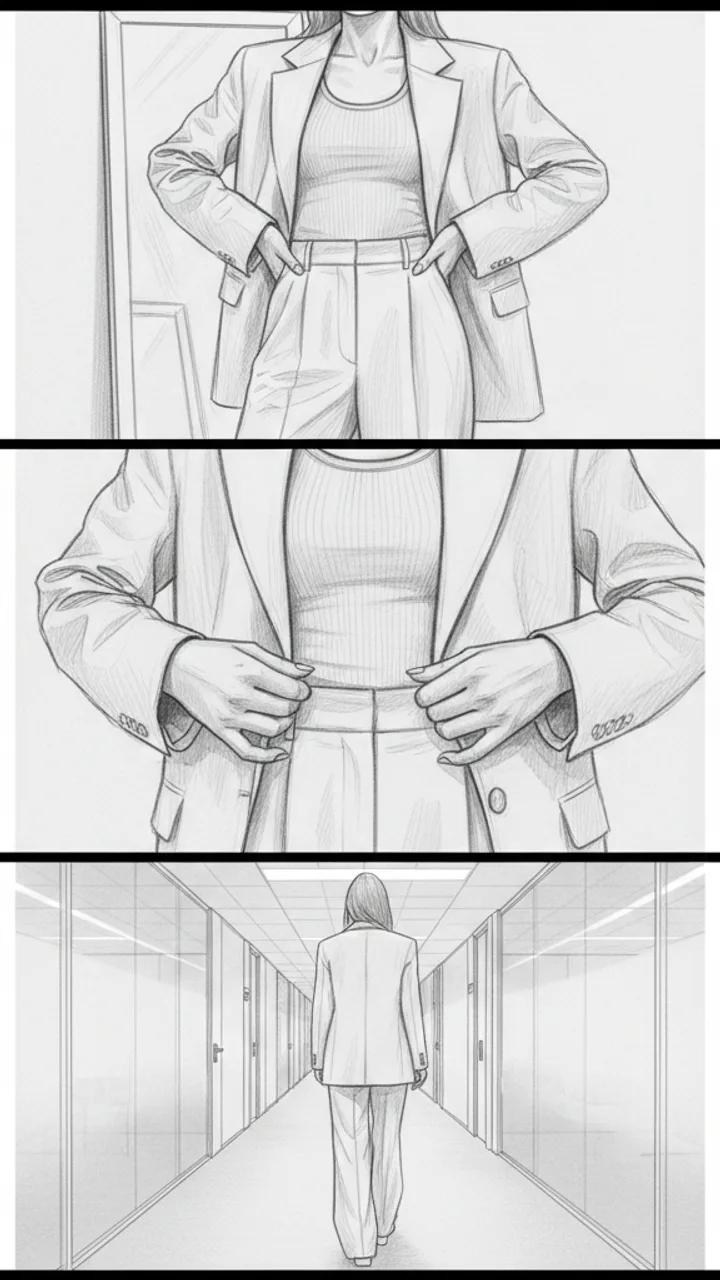
Office Look
0:03 - 0:15 · 12s
Visual: Three quick cuts: (1) Full-length mirror shot — trouser paired with a fitted ribbed tank tucked in and a structured blazer. (2) Hands adjusting blazer lapels. (3) Walking away from camera down a hallway. Text overlay top-left corner for each cut: 'Look 1: Office' then 'Mode District Wide-Leg Trouser'
Audio: For the office I'm keeping it clean — ribbed tank, blazer, pointed mules. The high waist does a lot of the work here. For me, the slightly cropped hem on the regular length actually hits perfectly at the ankle without alterations, which never happens.
Note: Mules are key — they visually lengthen the leg in the trouser. Natural light near a window preferred.
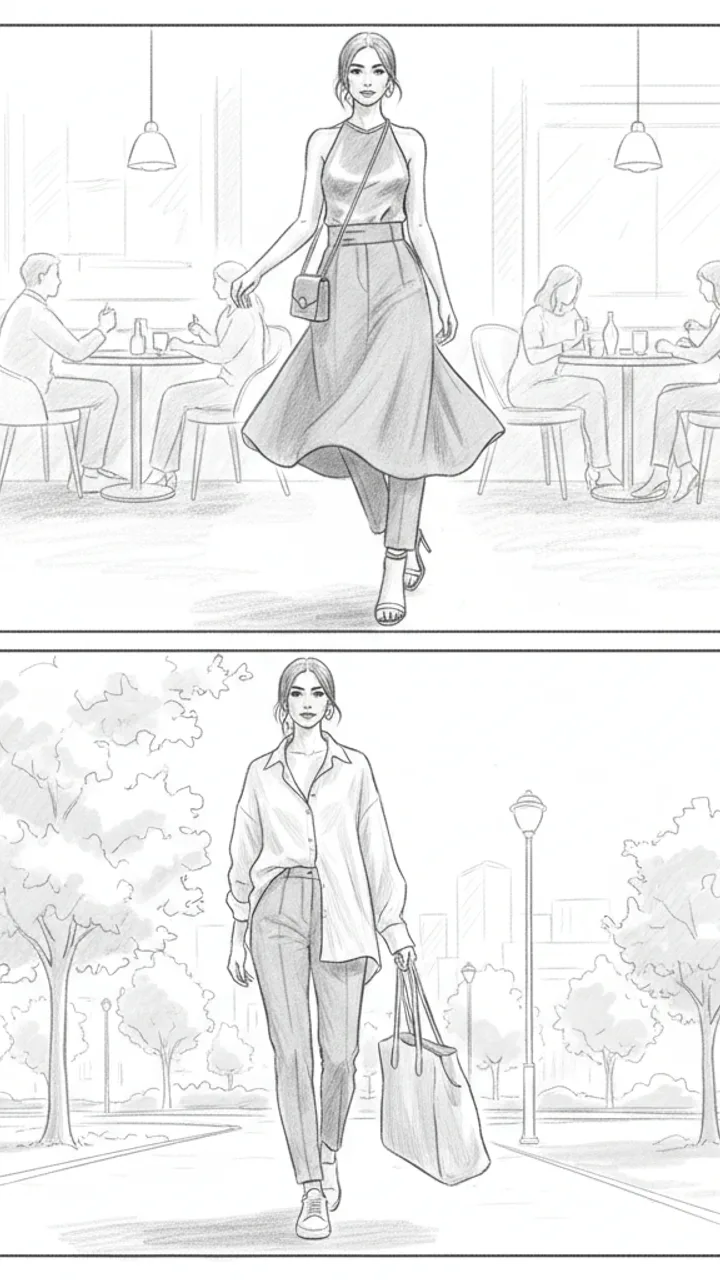
Dinner + Weekend Looks
0:15 - 0:30 · 15s
Visual: Split into two rapid mini-looks. Dinner: Creator spins into frame in a satin halter top tucked in, small shoulder bag, strappy heels — warm ambient restaurant-style lighting. Text overlay: 'Look 2: Dinner'. Weekend: Creator walks into frame in an oversized linen shirt half-tucked, white trainers, tote bag — bright outdoor natural light. Text overlay: 'Look 3: Weekend'
Audio: Dinner — swap the blazer for a satin halter and suddenly it's a whole different outfit. Weekend I go half-tuck, trainers, done. Same trouser, completely different energy each time. Link in bio if you want to try them.
Note: Keep transitions snappy — a single frame jump cut between looks. No fade. The contrast between looks is the payoff.
Generate yours to see all 3 scenes unlocked
Includes hook variations, AI judge scores, and storyboard sketches per scene.
Generate your script freeNavigating the gap between brand requirements and niche authenticity
Vetting the variations for the right level of polish
- A visual hook showing a relatable mess that mirrored the audience's pain points.
- Mid-roll placement of the brand name during a high-value DIY tip to maintain authority.
- A call to action phrased as a personal recommendation rather than a corporate directive.
- Transition cues that used the product’s click-sound to bridge into the next scene.
Visualizing the shoot through storyboard-driven pacing
The most effective micro-influencer scripts act as a bridge between the brand’s technical goals and the creator’s established visual shorthand.
Refining the nuance where the generator hesitated
Example hooks WeKlapp will generate
Common mistakes (and what to do instead)
✗ Over-scripting the intro with brand-heavy language.
→ Start with a visual or verbal problem that your niche specifically cares about before mentioning the partner.
✗ Using high-production lighting and sets that don't match your usual feed.
→ Shoot in your usual environment to keep the 'trust' factor high; brands want your audience, not your cinematography.
✗ Including too many technical features in a single 60-second clip.
→ Pick one 'hero' feature that solves a problem and mention the others as quick text overlays.
✗ Ignoring the comment section 'bait' in the script.
→ Include a deliberate 'mistake' or a specific question in the script to encourage viewers to type a response.
14 Outfits. One Carry-On. Lisbon.
Hook: “Seven days in Lisbon. Fourteen outfits. This is the only bag I brought.”
Angle: A slow, cinematic packing reveal that proves one carry-on can hold a full Lisbon wardrobe — compression cubes and cobblestone included.
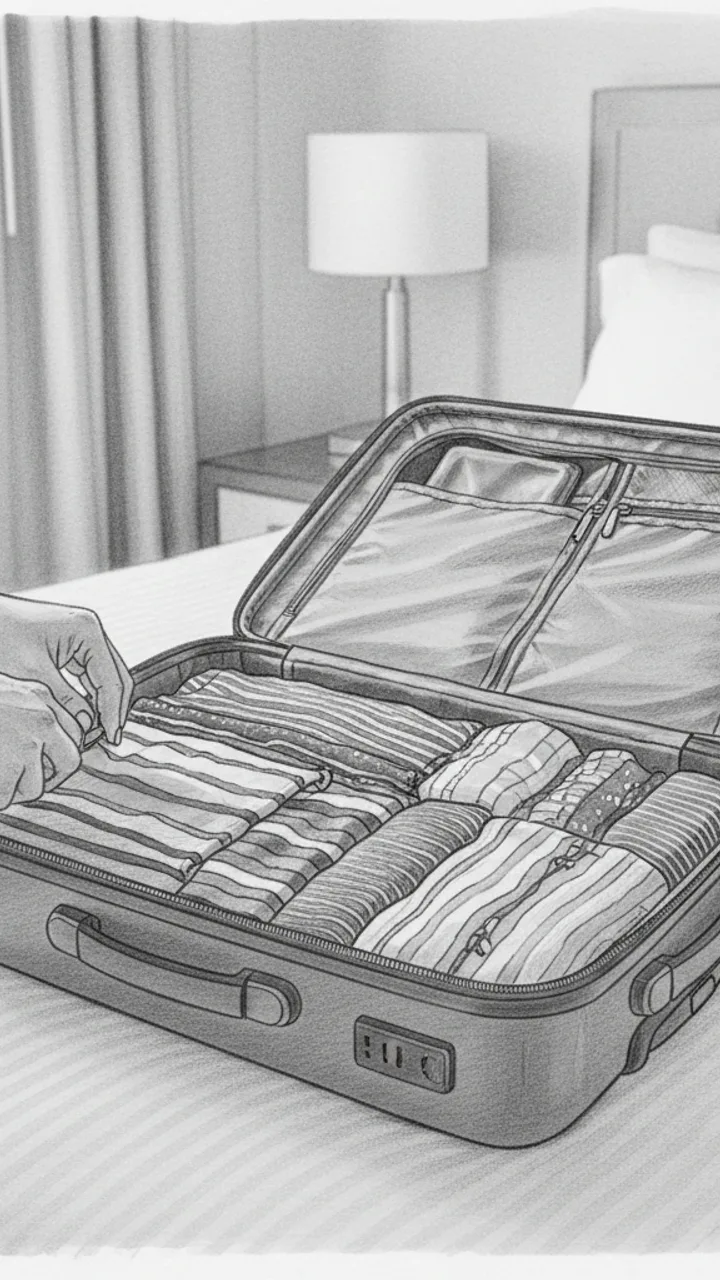
Hook
0:00 - 0:03 · 3s
Visual: Extreme close-up, hands unzipping a Range Travel Co. carry-on flat on a bed. Clothes are tightly packed, colorful, organized. Slow pull-back to reveal the full bag. Text overlay centered: '14 OUTFITS. ONE CARRY-ON. LISBON.'
Audio: Seven days in Lisbon. Fourteen outfits. This is the only bag I brought.
Note: No music intro — drop straight into ambient sound of zipper, then soft acoustic guitar fades in at 0:02. Hook line doubles as thumbnail headline.
The Pack
0:03 - 0:18 · 15s
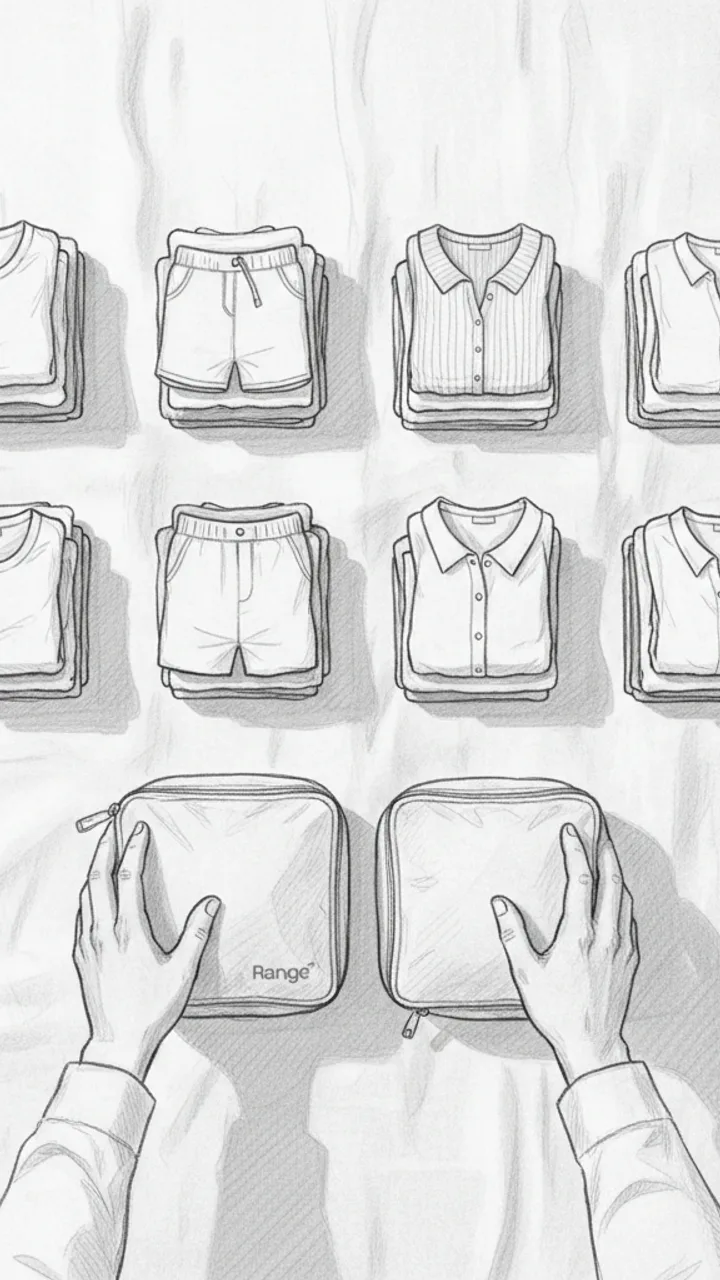
Visual: Flat lay overhead shot on white linen bed. Hands pull out two Range compression cubes and begin placing outfits side by side — one daytime look, one evening look, repeated across seven small stacks. Text overlays appear sequentially over each stack: 'Day 1', 'Day 2' ... 'Day 7'. Cut to close-up of a cube being compressed and zipped — fabric visibly flattens. Final cut: bag zipped shut, standing upright.
Audio: I used two compression cubes — one for day looks, one for nights. Each cube holds a full week on its own. For me, that's the difference between checking a bag and not. Everything fits, and nothing wrinkles the way I expected it to.
Note: Voice is calm, measured — not rushed. Let the visual breathe. Overlay text should feel editorial, not salesy.
Lisbon in Motion
0:18 - 0:30 · 12s
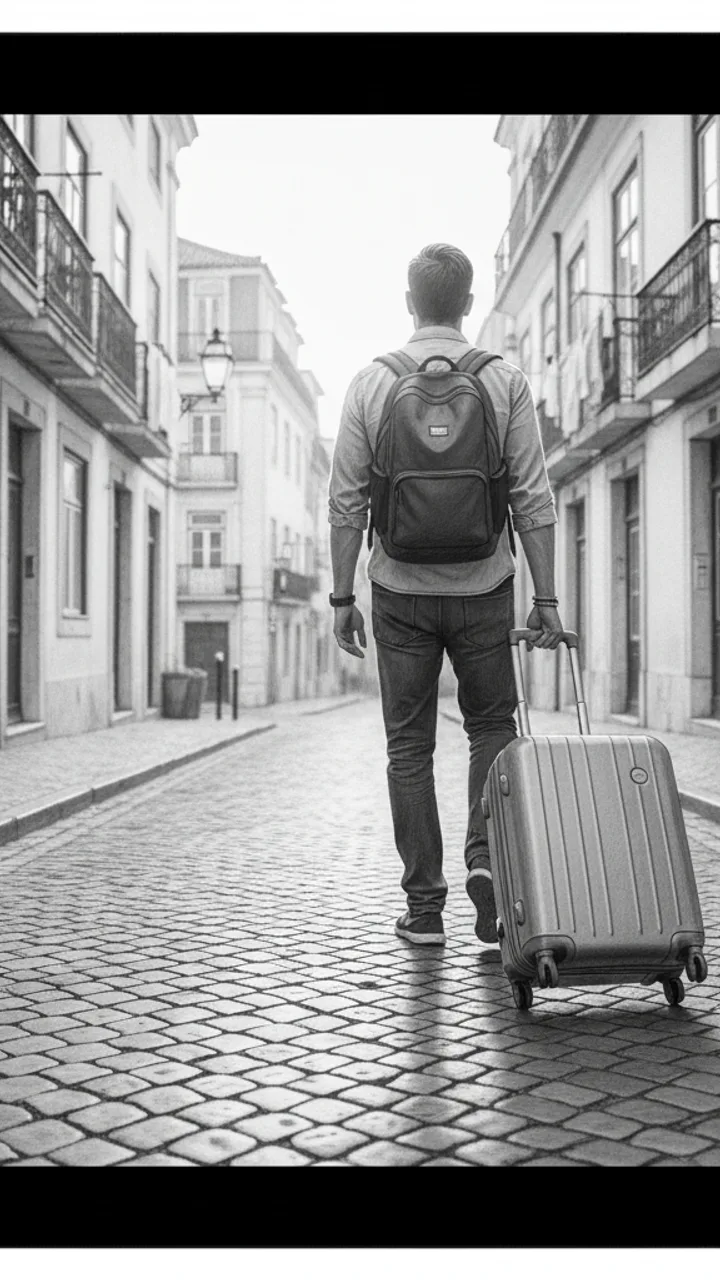
Visual: Golden hour. Handheld follow shot from behind — creator rolling the bag down a narrow Alfama cobblestone street. Cut to low ground-level angle showing wheels rolling over uneven stone. Cut to creator pausing at a viewpoint, Tagus River behind them, bag at their side. Text overlay bottom-left: 'Alfama, Lisbon'.
Audio: The cobblestones in Alfama will test any bag. These wheels held up the whole week — no dragging, no tipping. That part surprised me.
Note: Ground-level wheel shot is critical — 2 to 3 seconds minimum. This is the product proof moment. Keep it observational, not promotional.
Payoff + CTA
0:30 - 0:38 · 8s
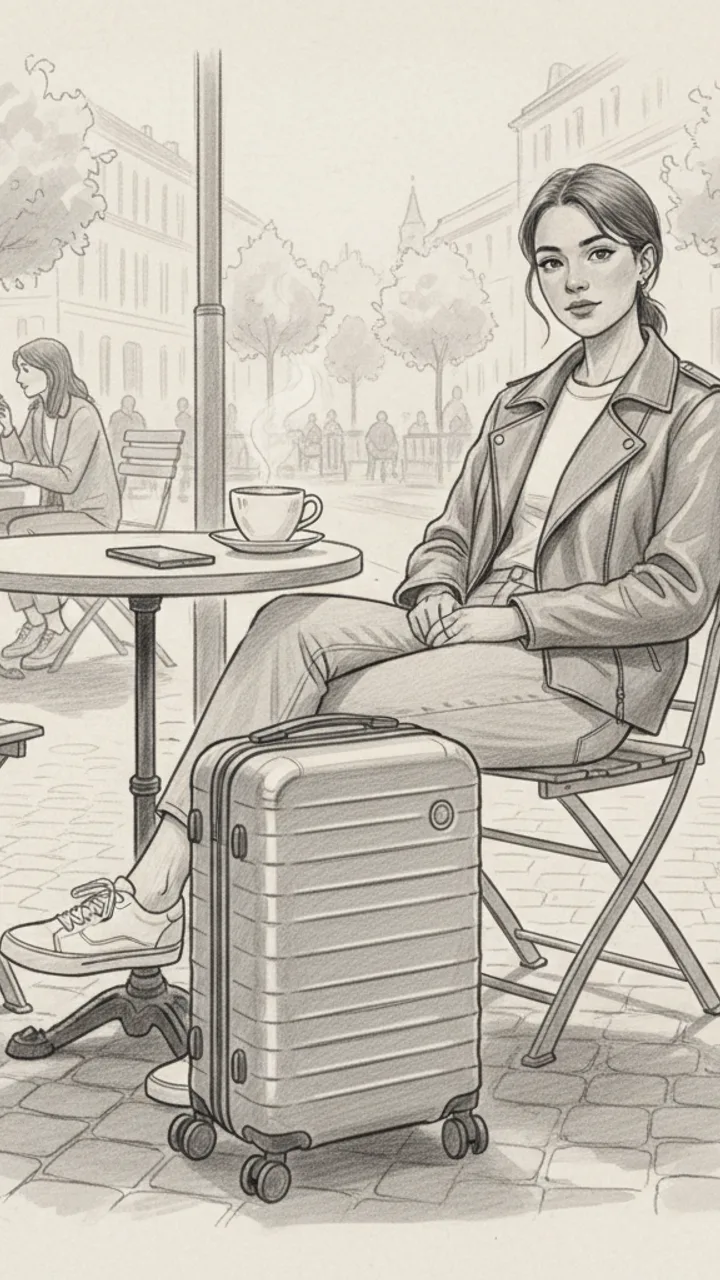
Visual: Creator sits at an outdoor café, coffee on the table, bag tucked neatly under the chair. Medium shot, slightly warm color grade. They glance at the camera naturally. Final frame freezes on the bag under the chair. Text overlay fades in: 'Range Travel Co. — link in bio'.
Audio: Budget travel does not have to mean bad gear. I'll link the bag below if you want to see the full breakdown.
Note: CTA is single and low-pressure. Freeze frame on bag gives a clean moment for any product tag sticker in post.
Generate yours to see all 4 scenes unlocked
Includes hook variations, AI judge scores, and storyboard sketches per scene.
Generate your script freeFrequently asked questions
How does the AI know my specific 'voice'?
The system ingests your previous video transcripts to identify the phrases, sentence lengths, and slang you naturally use. It maps the brand's requirements onto your existing rhythm so the final script doesn't sound like a press release.
Do I have to follow the storyboard sketches exactly?
No. The sketches are meant to show you where motion is needed to keep viewers from scrolling. They act as a guide for pacing, ensuring you don't have a 'dead' spot in the middle of your video.
Can I use this for both TikTok and Instagram Reels?
Yes, the generator allows you to toggle between platforms. It will adjust the script to favor the faster hooks required for TikTok or the slightly more 'curated' aesthetic often preferred on Reels.
What if the brand brief is really boring?
The tool is designed to find the 'angle' that fits your niche. It looks for the tension in a boring brief—like a mundane product solving an annoying problem—to make it watchable.
How many variations should I present to the brand?
We recommend generating three and choosing the best one to polish. This gives you options to share with the brand if they ask for a 'different feel' during the approval process.
Will this make my content look like every other influencer?
Because the tool starts with your own transcripts as the foundation, the output is unique to your speaking style. It provides the structure, but the vocabulary remains yours.
Related script templates
Generate your first script in under a minute
Paste a channel link and a brand brief. WeKlapp handles the analysis, scriptwriting, judging, and storyboarding.
Start free