
Running TikTok Script Generator
A legacy brand brief lands in your inbox on Monday morning. They want 45 seconds on a new stability shoe, they want the Garmin stats visible, and they want it to feel 'organic' despite three required talking points. The friction isn't the running; it's the 48-hour gap between receiving a PDF and having a script that survives the first three seconds of a scroll. Most creators waste Tuesday overthinking the hook or trying to force a technical spec into a conversational beat. Running content lives or dies on the transition from the pavement to the pacer. If the brand integration feels like a commercial break, the retention graph drops before you even hit your stride. WeKlapp acts as an automated executive producer, ingesting these rigid briefs and outputting scripts that match your actual pacing, camera angles, and the specific way you talk about zone two cardio without sounding like a textbook.
Trained on what works in the running corner of TikTok
Hook variations tuned to the first 2 seconds of attention
Brand-fit angles vetted by an AI judge panel
Scene-by-scene storyboards you can revise in one click
These Shorts Don't Move When You Pull Heavy
Hook: “My shorts used to bunch up mid-deadlift. Fixed it.”
Angle: A no-nonsense home-gym trainer puts performance shorts through a real pull session and lets the details speak for themselves.
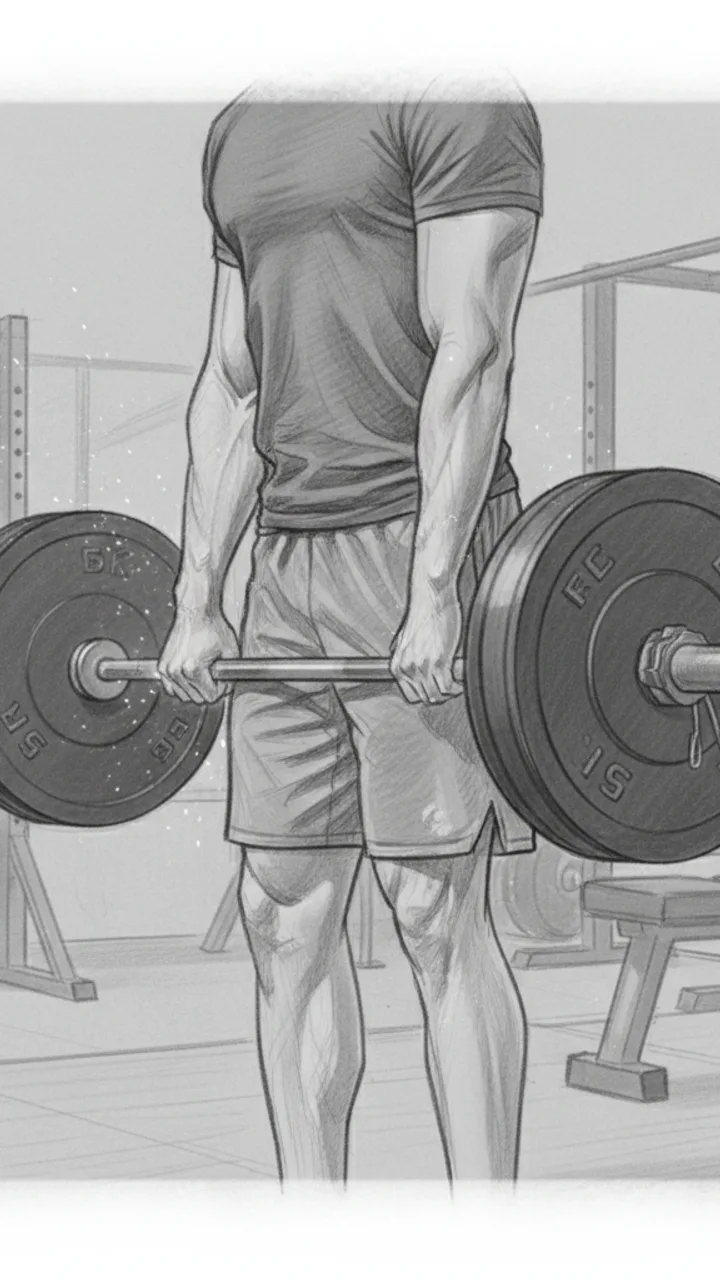
Hook
0:00 - 0:03 · 3s
Visual: Tight mid-shot from the side, creator standing over a loaded barbell in the home gym. Chalk on hands, shorts visible at thigh level. Text overlay top-center: 'SHORTS THAT DON'T MOVE WHEN YOU PULL'
Audio: My shorts used to bunch up mid-deadlift. Fixed it.
Note: Cut in at the moment hands touch the bar — no intro, no setup. Hook doubles as thumbnail text.
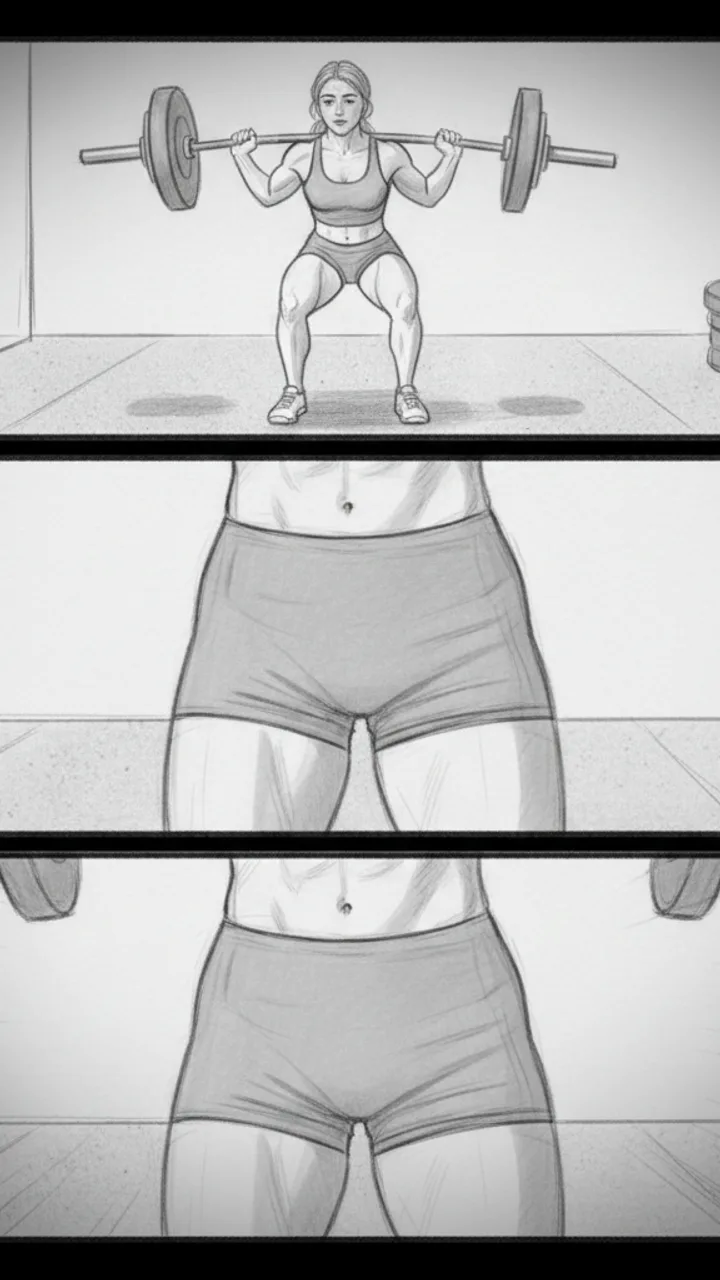
The Pull
0:03 - 0:18 · 15s
Visual: Wide angle showing full deadlift — setup, pull, lockout. Cut to close-up at the hip crease showing zero fabric ride-up at the top of the lift. Then a quick slow-mo replay of the lockout position. Text overlay at lockout: 'NO-RIDE-UP GUSSET'
Audio: This is the Reps Apparel short. Five-inch inseam. There's a gusset built into the crotch so when you hinge hard, the fabric moves with you — it doesn't climb. For me, that's the difference between thinking about the lift and thinking about my shorts.
Note: Keep the slow-mo clip under 3 seconds. The gusset callout text should appear exactly at lockout when thigh tension is highest.
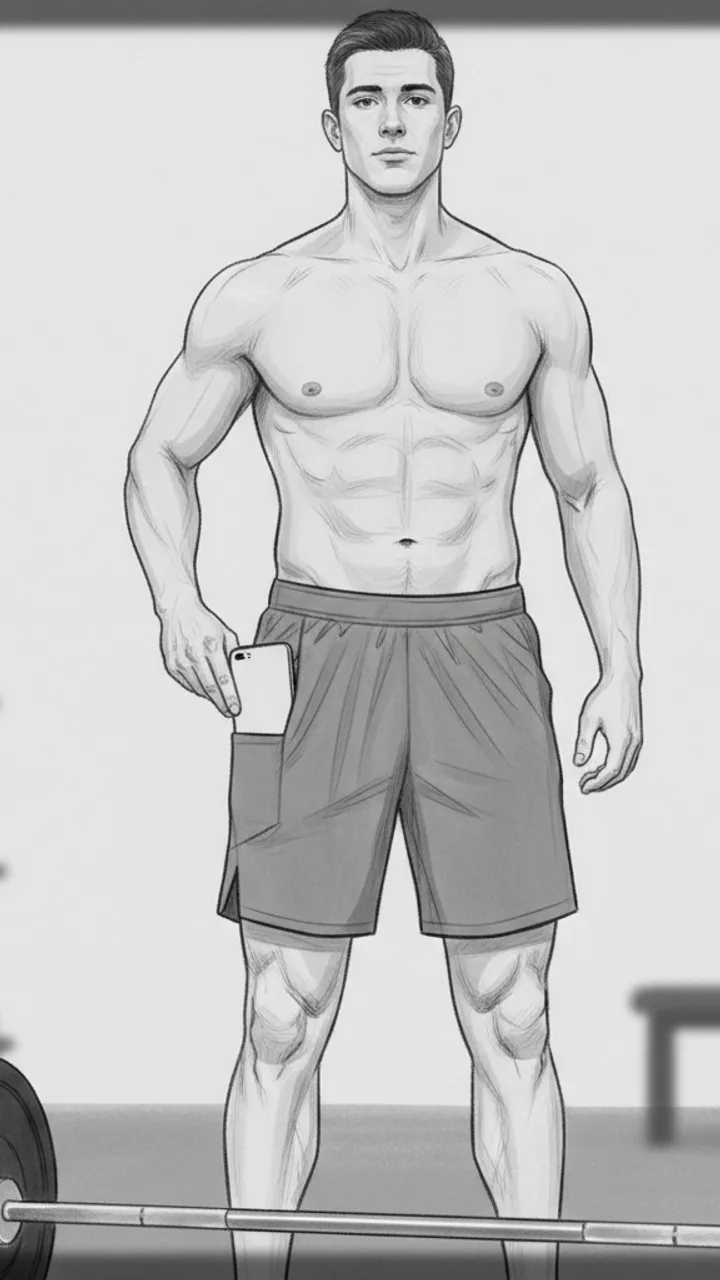
The Pocket Detail
0:18 - 0:30 · 12s
Visual: Creator sets the bar down, stands up straight. Reaches into what looks like a seamless side panel and pulls out a phone — hidden pocket reveal. Camera is chest-height, slightly angled up. Text overlay: 'HIDDEN PHONE POCKET — actually holds'
Audio: There's a hidden pocket on the side. My phone sits flat against my leg, doesn't bounce, doesn't print through the fabric. I've been using these through squat days, deadlift days, conditioning work — in my testing nothing has shifted or stretched out.
Note: The pocket reveal should feel incidental, not performed. Creator should glance at the phone briefly like checking a rest timer, then pocket it again.
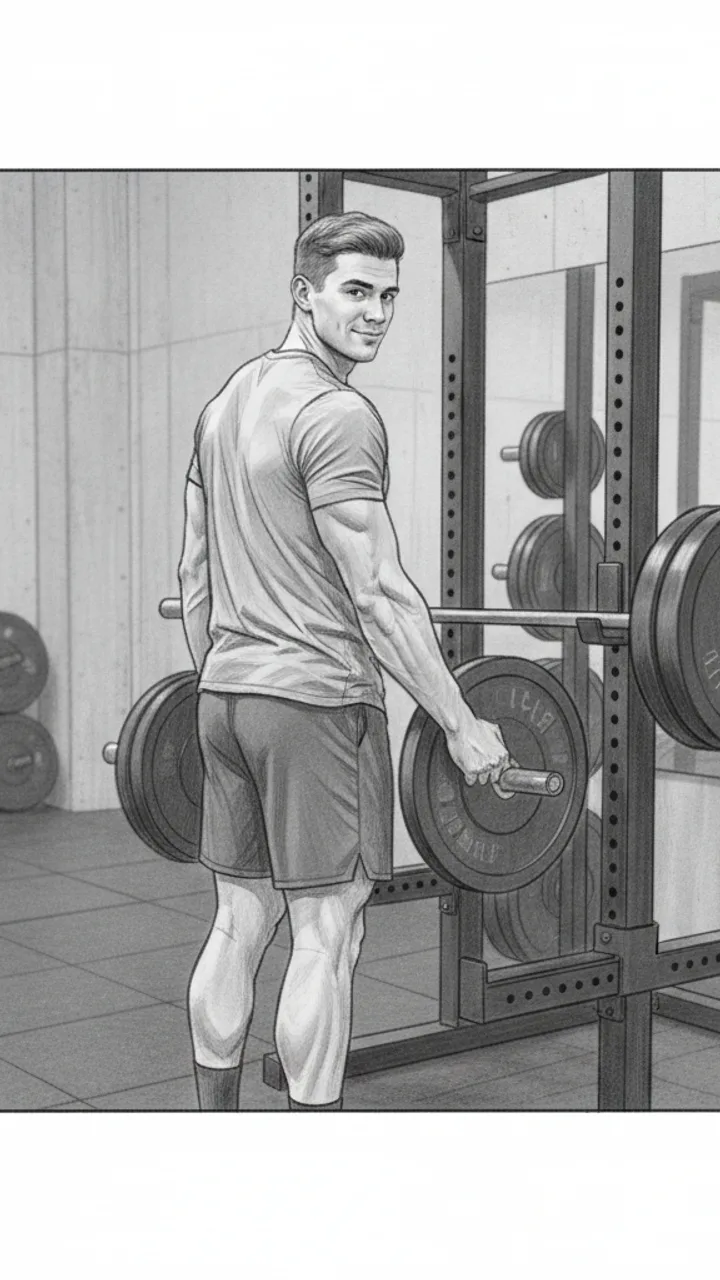
CTA
0:30 - 0:40 · 10s
Visual: Creator loads more weight onto the bar, back to the camera, glances back at lens. Relaxed, not posed. Text overlay bottom of frame: 'Link in bio — Reps Apparel'
Audio: If you train at home and you're tired of adjusting your shorts between sets, link's in my bio. That's it.
Note: Do not linger on the CTA. Cut to black or next clip immediately after the line lands. Keep it transactional, not salesy.
Generate yours to see all 4 scenes unlocked
Includes hook variations, AI judge scores, and storyboard sketches per scene.
Generate your script freeMonday morning intake and the death of the PDF
The Tuesday variation bake-off and the AI judge panel
- Brand Fit: Ensures the specific Garmin or Hoka features are mentioned naturally within the first 15 seconds.
- Style Match: Analyzes your past 10 uploads to ensure the vocabulary sounds like you, not an ad agency.
- Production Effort: Flags if a script requires a drone or a second person, allowing you to filter for solo-friendly shoots.
- Brand Safety: Checks for competitor mentions or controversial audio cues that could violate the contract.
Wednesday storyboarding and the visual pacing map
The shot list prioritizes the first 1.5 seconds, ensuring a high-motion visual accompanies the hook to stop the scroll.
Thursday export and the Friday morning shoot
Example hooks WeKlapp will generate
Common mistakes (and what to do instead)
✗ Using a generic 'unboxing' shot as the opening hook for a shoe review.
→ Open with a high-speed foot strike or a close-up of the outsole hitting a puddle to create immediate visual motion.
✗ Reading the brand's technical specs verbatim from the PDF briefing.
→ Translate specs into 'feel'—instead of saying '5mm drop,' explain how the shoe feels when your calf starts to fatigue at mile ten.
✗ Failing to change the camera angle for more than 10 seconds of a 60-second clip.
→ Use a 3-second rule: every three seconds, the shot must change from a POV to a wide, or from a talking head to b-roll.
I Was Paying $47/Month for Nothing
Hook: “I just found out I'm paying for three subscriptions I completely forgot existed.”
Angle: Creator opens the Ledger & Rye app live on camera and reacts in real time to forgotten subscriptions draining $47/month from their account.
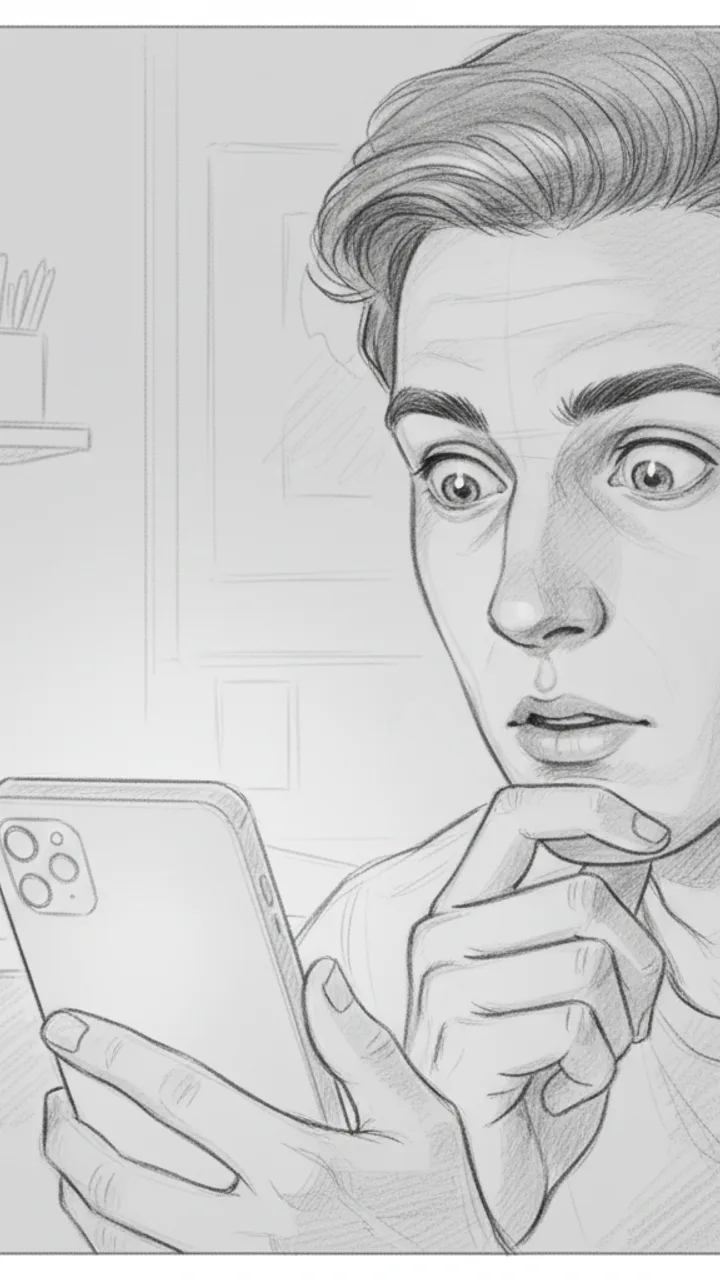
Hook
0:00 - 0:03 · 3s
Visual: Tight close-up on creator's face, slightly over-the-shoulder angle, phone screen faintly visible in hand. Text overlay in bold white: '$47/MONTH I FORGOT ABOUT'
Audio: I just found out I'm paying for three subscriptions I completely forgot existed.
Note: Deliver with a flat, tired expression — not dramatic, just genuinely annoyed at yourself. Hook doubles as thumbnail headline.
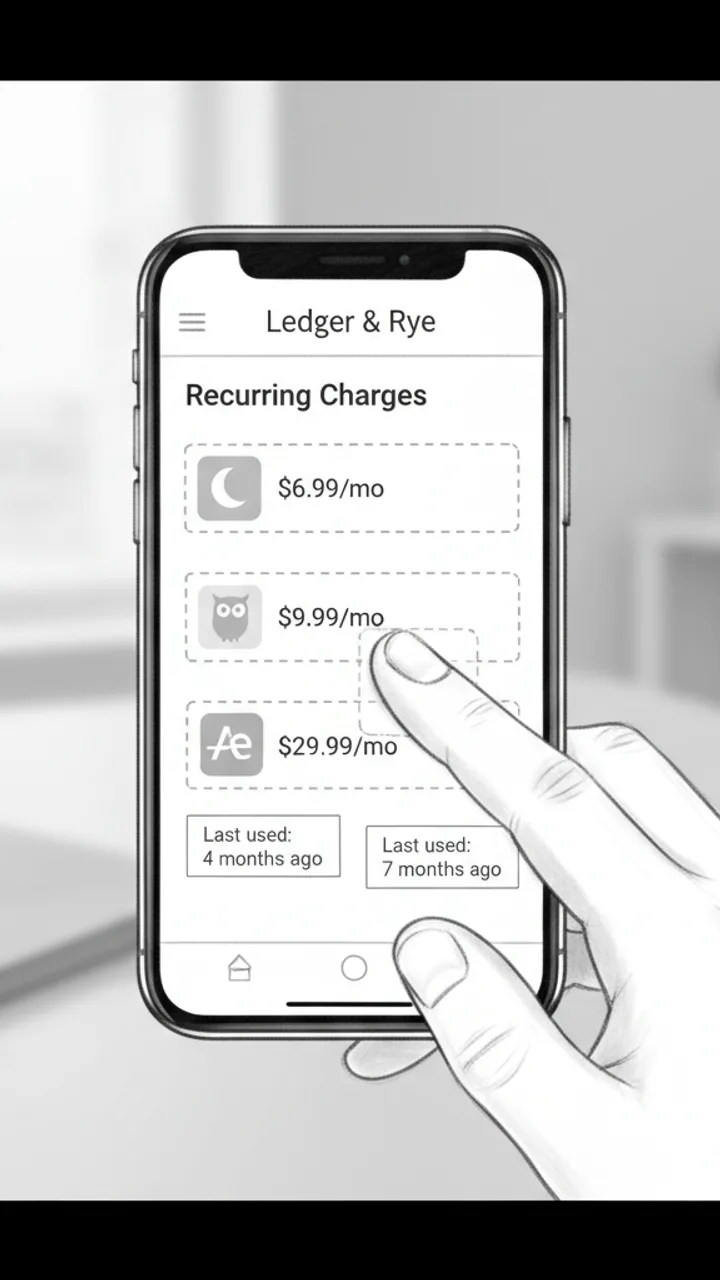
The Discovery
0:03 - 0:18 · 15s
Visual: Screen recording of Ledger & Rye app open to a 'Recurring Charges' summary panel. Three line items animate in one by one: 'Calm — $6.99/mo', 'Duolingo Plus — $9.99/mo', 'Adobe Express — $29.99/mo'. Creator's thumb taps each one. Text overlay appears under each: 'Last used: 4 months ago', 'Last used: 7 months ago', 'Last used: 2 months ago'
Audio: So I opened Ledger and Rye and it flagged this 'Recurring Charges' section — and there's Calm, which I downloaded during a very specific week in 2022. Duolingo Plus, because apparently I was going to learn Portuguese. And Adobe Express for $30 a month, which… I genuinely cannot explain.
Note: Keep the screen recording clean and unedited — real app UI, no motion graphics added in post. The mundane specificity of the apps is the joke.
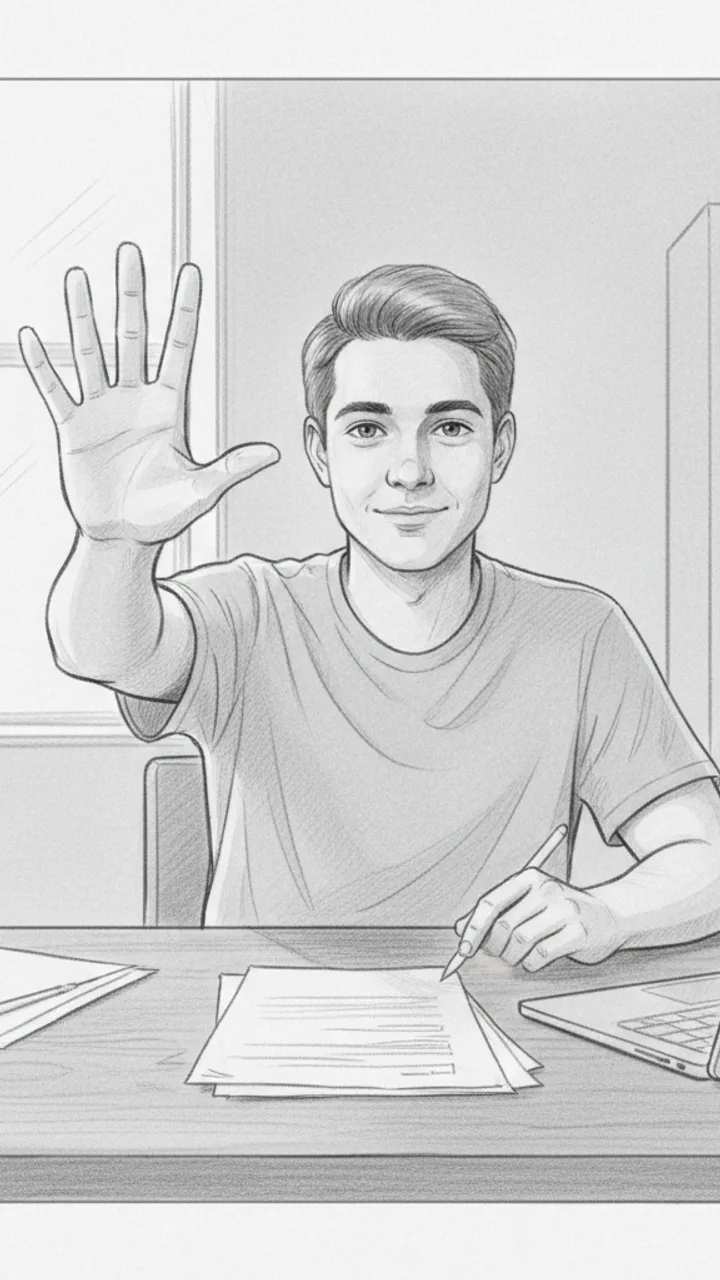
The Math
0:18 - 0:30 · 12s
Visual: Cut back to creator on camera, medium shot, sitting at a desk. Creator holds up three fingers and counts down. Text overlay bottom-center: '$47 / month = $564 / year'
Audio: That's $47 a month. Which is $564 a year. On apps I haven't opened since before I moved apartments. I cancelled all three in like four minutes. I'm not saying I'm bad with money, but I'm also not NOT saying that.
Note: Pause naturally after '$564 a year' — let the number land before the self-deprecating closer. No need to rush.
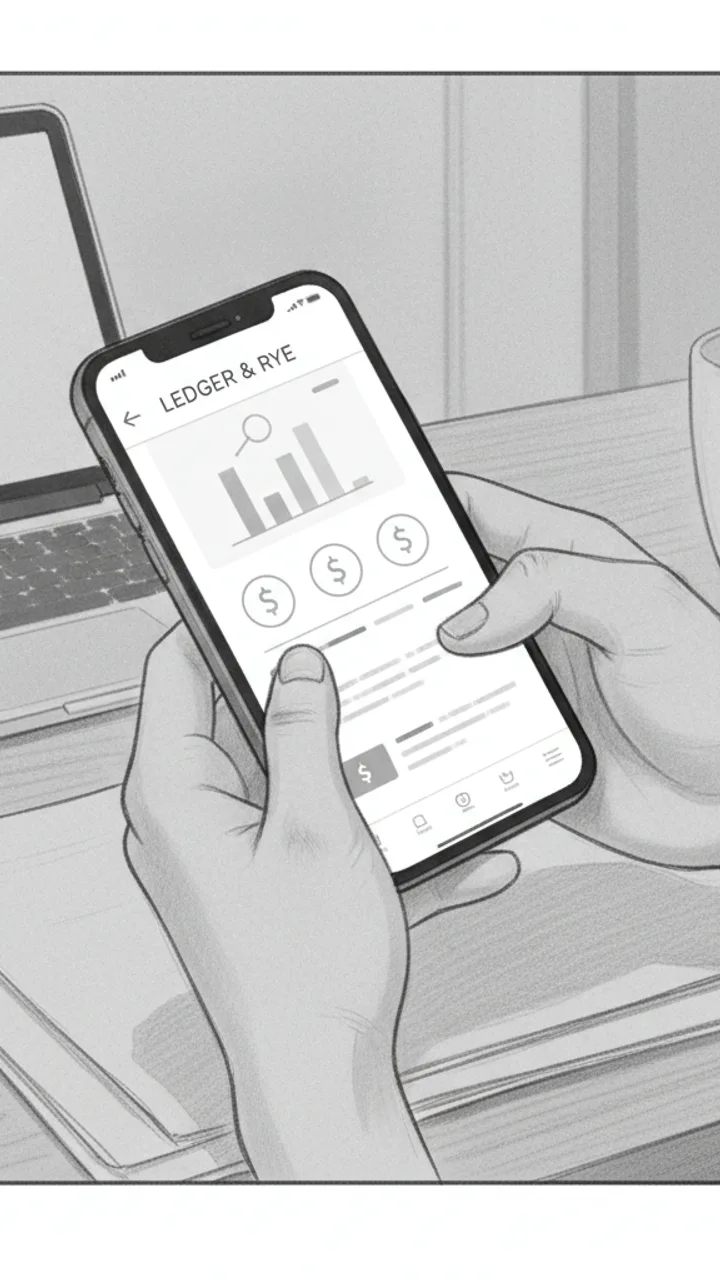
Soft CTA
0:30 - 0:38 · 8s
Visual: Creator tilts phone toward camera briefly showing the Ledger & Rye home screen, then sets it face-down. Minimal text overlay bottom-left: 'Ledger & Rye — link in bio'
Audio: If you haven't checked yours in a while, the app is called Ledger and Rye — it's free to start. Genuinely took me less time than this video to find all of it.
Note: Tone should feel like a recommendation to a friend, not a pitch. No urgency language. Creator sets the phone down casually — signals the video is over naturally.
Generate yours to see all 4 scenes unlocked
Includes hook variations, AI judge scores, and storyboard sketches per scene.
Generate your script freeFrequently asked questions
How does the AI know my specific 'voice' as a runner?
The system analyzes the transcripts and pacing of your previous TikTok uploads. It identifies your common phrases, how often you use humor, and whether you prefer a technical or motivational tone. When it generates new scripts, it applies these patterns to the brand's requirements so the result sounds like your natural commentary rather than a scripted ad.
Can I input a brand brief that is just a messy PDF or a bunch of screenshots?
Yes. The AI producer is built to handle unstructured data. You can upload a PDF, paste a long email, or even upload a screenshot of a campaign brief. It will extract the key requirements—like mandatory hashtags, product features, and legal disclaimers—and ensure they are woven into the script variations automatically.
What if the AI suggests a shot that is impossible for a solo runner to film?
The production effort score in the judge panel flags high-complexity shots. You can set your profile to 'solo creator' mode, which instructs the AI to only suggest camera angles achievable with a tripod or a handheld phone. This ensures your shot list is actually move-in-ready when you start your run.
Does the script generator include suggestions for on-screen text and captions?
The export includes a dedicated column for on-screen text (OST) and captions. It suggests where to place text bubbles to highlight key stats, like your pace or the brand name, ensuring they don't overlap with the TikTok UI elements like the 'like' button or the description text.
How long does it take to go from a brief to a finished script and storyboard?
In our experience, the entire generation process takes less than five minutes. The time-consuming part is usually your review and selection of the variations. Most creators spend about fifteen minutes tweaking the AI's best option before exporting the final shot list for their shoot.
Related script templates
Generate your first script in under a minute
Paste a channel link and a brand brief. WeKlapp handles the analysis, scriptwriting, judging, and storyboarding.
Start free