Books TikTok Script Generator
BookTok isn't just about the books; it’s about the aesthetic friction of paper, the specific lighting of a reading nook at 2 PM, and the visceral reaction to a plot twist that makes you drop the physical copy. Most scripts feel thin because they ignore the sensory details that drive book sales—the sound of a spine cracking or the visual weight of a 600-page fantasy tome. When a brand brief from Audible or Book of the Month hits your inbox, the challenge is translating a corporate 'key message' into a 45-second video that doesn't feel like an infomercial. A generic script generator will tell you to 'talk about the characters.' A practitioner knows you need to show the annotated margins and the three empty coffee cups on your nightstand to prove you actually read the thing. WeKlapp analyzes your specific filming style to ensure the AI doesn't just write words, but suggests the exact camera movements and prop placements that keep your audience from scrolling.
Trained on what works in the books corner of TikTok
Hook variations tuned to the first 2 seconds of attention
Brand-fit angles vetted by an AI judge panel
Scene-by-scene storyboards you can revise in one click
The Boring Cleanser That Fixed My Skin Barrier
Hook: “This is the least exciting product I've ever loved.”
Angle: A chemistry-curious reviewer documents 14 days of using a ceramide cleanser as a skin-barrier reset — no drama, just honest observation.
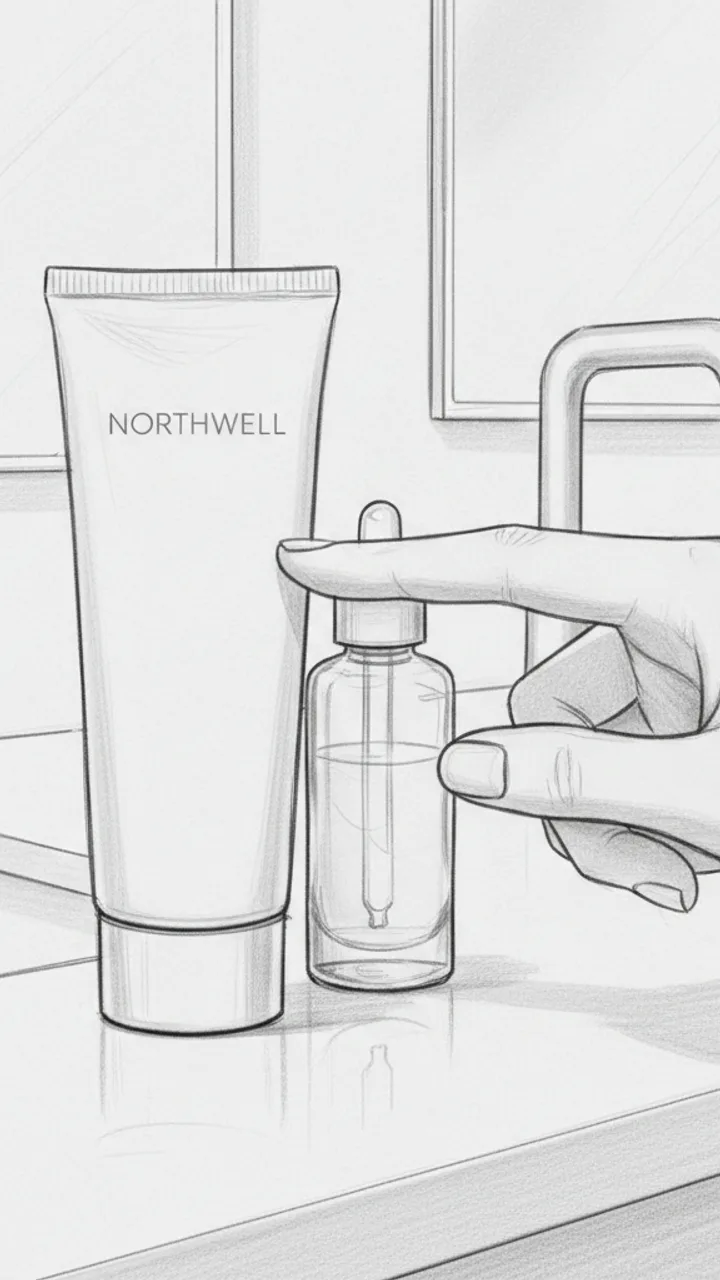
Hook
0:00 - 0:03 · 3s
Visual: Close-up handheld shot of a plain, minimal Northwell cleanser tube sitting on a bathroom counter next to a half-empty serum. Creator's hand taps it once. Text overlay in clean sans-serif: 'THE BORING CLEANSER THAT FIXED MY SKIN BARRIER'
Audio: This is the least exciting product I've ever loved.
Note: No face needed in this shot — let the product do the work. Tap should feel casual, not performative.
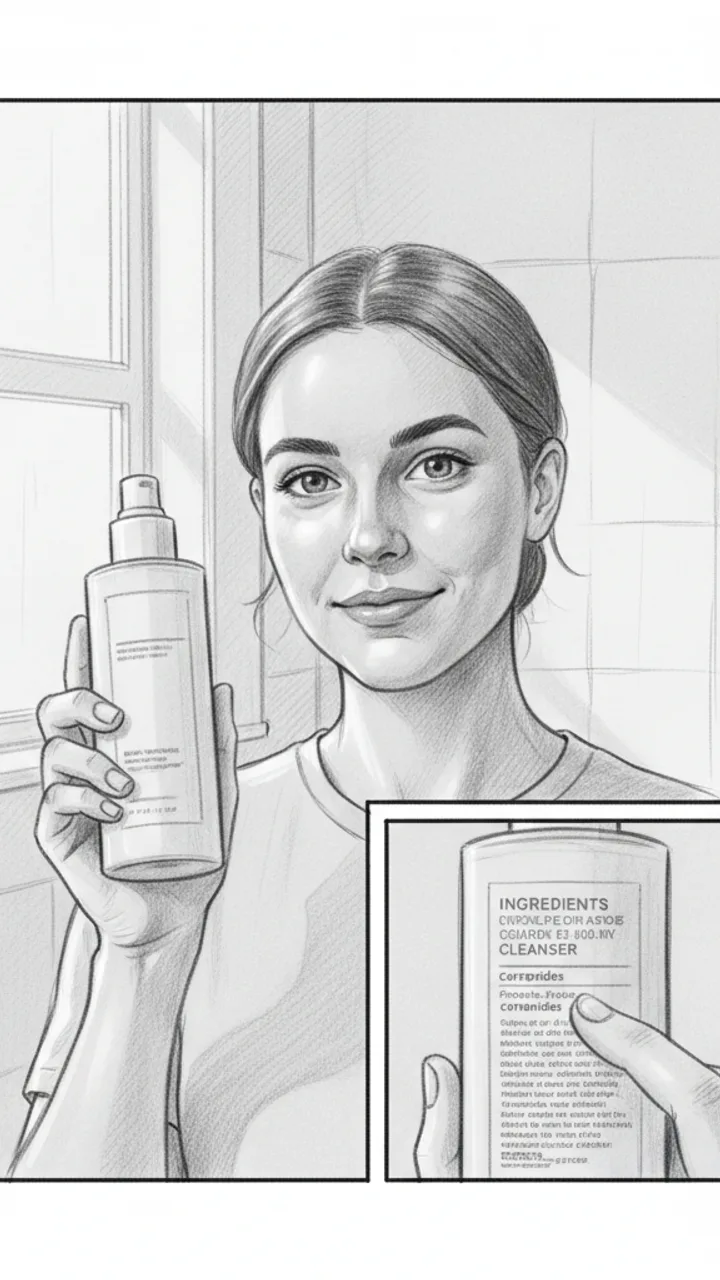
The Problem Setup
0:03 - 0:15 · 12s
Visual: Medium shot, creator facing camera in bathroom lighting — natural, not ring-lit. Holds up cleanser. Cut to a quick close-up of the ingredient panel with a finger underlining 'ceramides.' Text overlay: 'ceramides = barrier glue, basically'
Audio: My skin was doing that thing where it's tight after washing but also somehow still flaky. Classic compromised barrier stuff. I wanted to strip it back and just use something with ceramides and nothing that would fight with my skin — so I tried the Northwell ceramide cleanser for 14 days, pretty much nothing else changed.
Note: The ingredient close-up should be legible but quick — 1.5 seconds max. Feels like a passing observation, not a lesson.
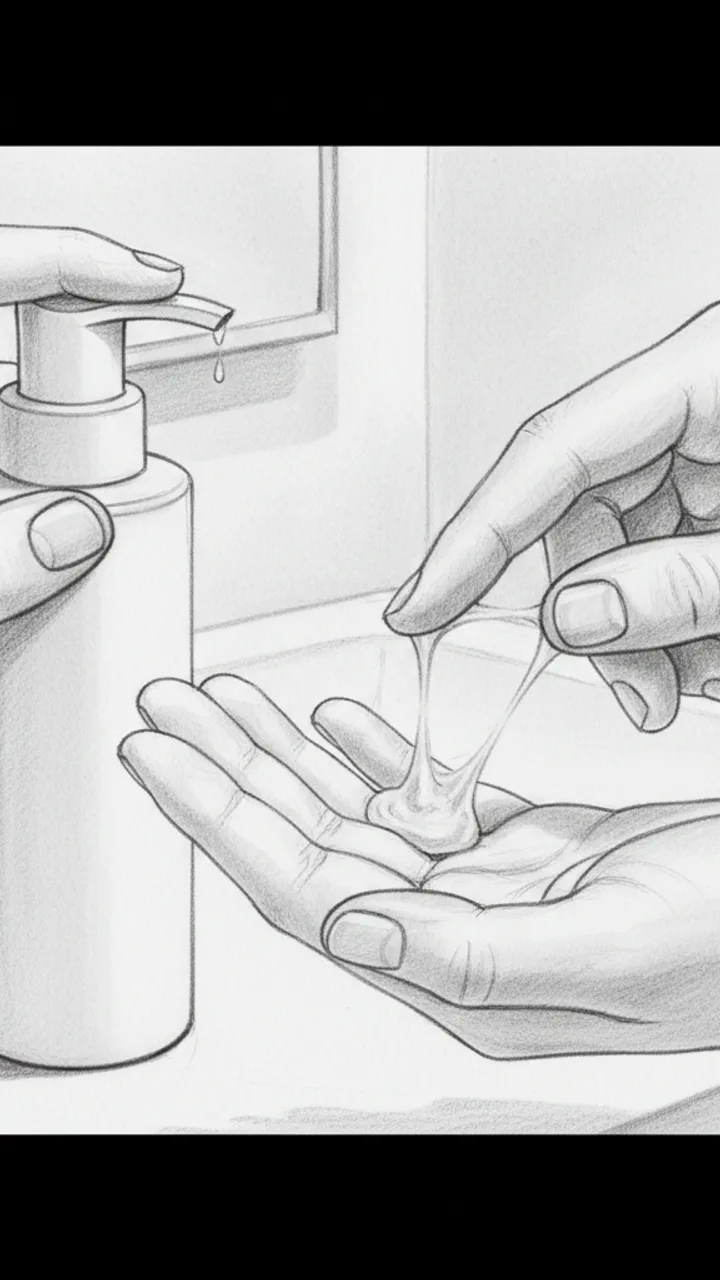
Texture and Experience
0:15 - 0:28 · 13s
Visual: Close-up of creator dispensing a small amount onto fingers — texture is milky, slightly gel-like. Slow rub between fingers to show consistency. Text overlay: 'milky-gel, no foam, no stripping feeling'
Audio: Texture-wise it's this milky gel — doesn't lather much, which I know feels weird at first if you're used to foam. But that low-surfactant thing is kind of the point. After about day five my skin stopped feeling tight post-wash, and by day fourteen the flakiness around my nose was noticeably calmer. Not gone, but calmer. For me, that's meaningful.
Note: Keep hands in frame the whole time. The 'for me' phrasing is intentional — do not cut it.
Honest Wrap + CTA
0:28 - 0:42 · 14s
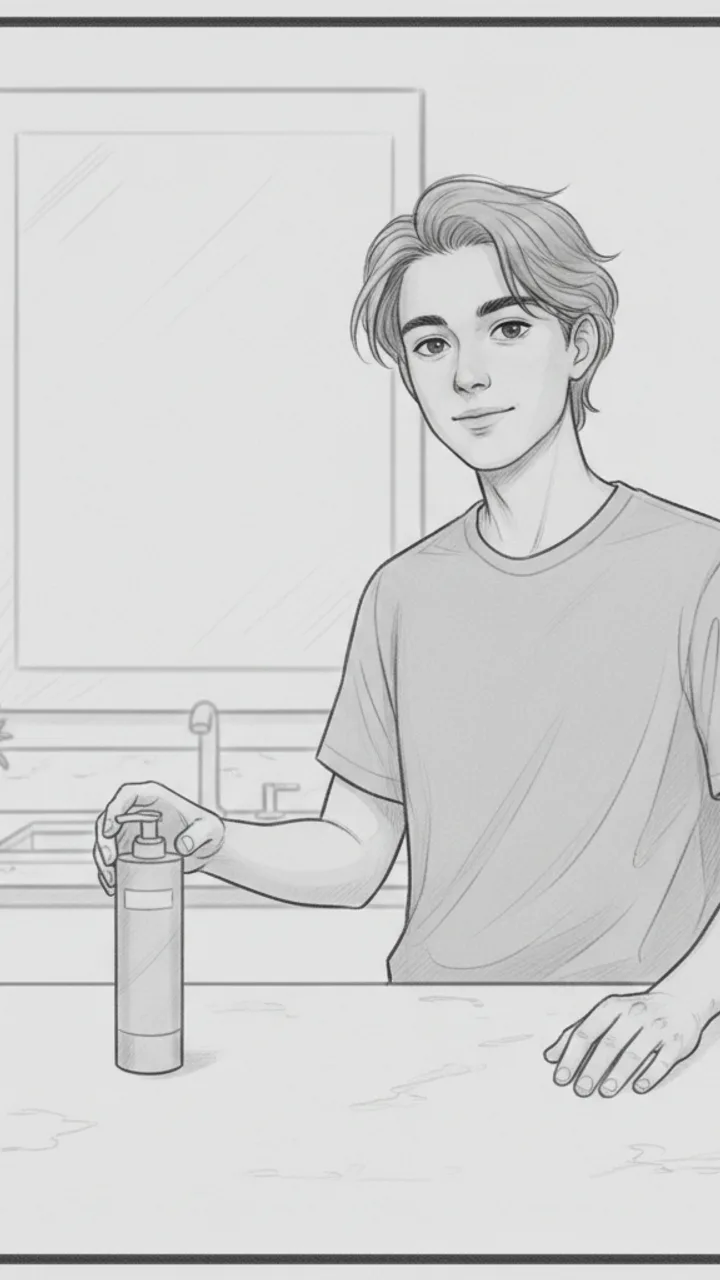
Visual: Creator back on camera, relaxed medium shot. Sets the tube down on the counter behind them naturally. Final frame holds on product. Text overlay: 'linked below if you want the boring fix too'
Audio: It's not a glamorous product. It's not going to transform your skin in a week or smell like anything interesting. But if your barrier is struggling and you want something that just — does its job without adding noise, this one earned a permanent spot for me. Link's below if you're curious.
Note: Tone should feel like a friend wrapping up a thought, not closing a pitch. No urgency language.
Generate yours to see all 4 scenes unlocked
Includes hook variations, AI judge scores, and storyboard sketches per scene.
Generate your script free"AI scripts always sound like AI scripts."
The architectural choice that fixes the 'robotic' problem
- On-screen action notes for specific prop movements like 'aggressive page turning' or 'stacking three hardcovers.'
- Timecoded beats that ensure the brand's 'call to action' doesn't interrupt the natural flow of your recommendation.
- Alternative hook variations based on whether the video is a listicle, a deep-dive review, or a 'vibe check'.
- Visual cues for text overlays that highlight tropes like 'enemies to lovers' or 'found family' at the peak of viewer interest.
- Specific lighting and setting notes to match the mood of the genre, from dark academia to bright contemporary romance.
What the output actually looks like on the page
The AI judge panel ensures your brand partnership feels like a recommendation from a friend, not a pitch from a stranger.
Where the tool stops and you take over
Example hooks WeKlapp will generate
Common mistakes (and what to do instead)
✗ Using generic 'corporate' hooks provided by the brand in the brief.
→ Rewrite the brand's hook into a personal 'opinion-first' statement that happens to mention the product.
✗ Ignoring the background 'noise' or distracting visual clutter during a review.
→ Curate your background to match the book's aesthetic—candles for dark academia, plants for a cozy mystery.
✗ Reading the script word-for-word like a teleprompter.
→ Use the script as a beat-sheet; memorize the point, then speak it naturally to the lens.
I Was Paying $47/Month for Nothing
Hook: “I just found out I'm paying for three subscriptions I completely forgot existed.”
Angle: Creator opens the Ledger & Rye app live on camera and reacts in real time to forgotten subscriptions draining $47/month from their account.
Hook
0:00 - 0:03 · 3s
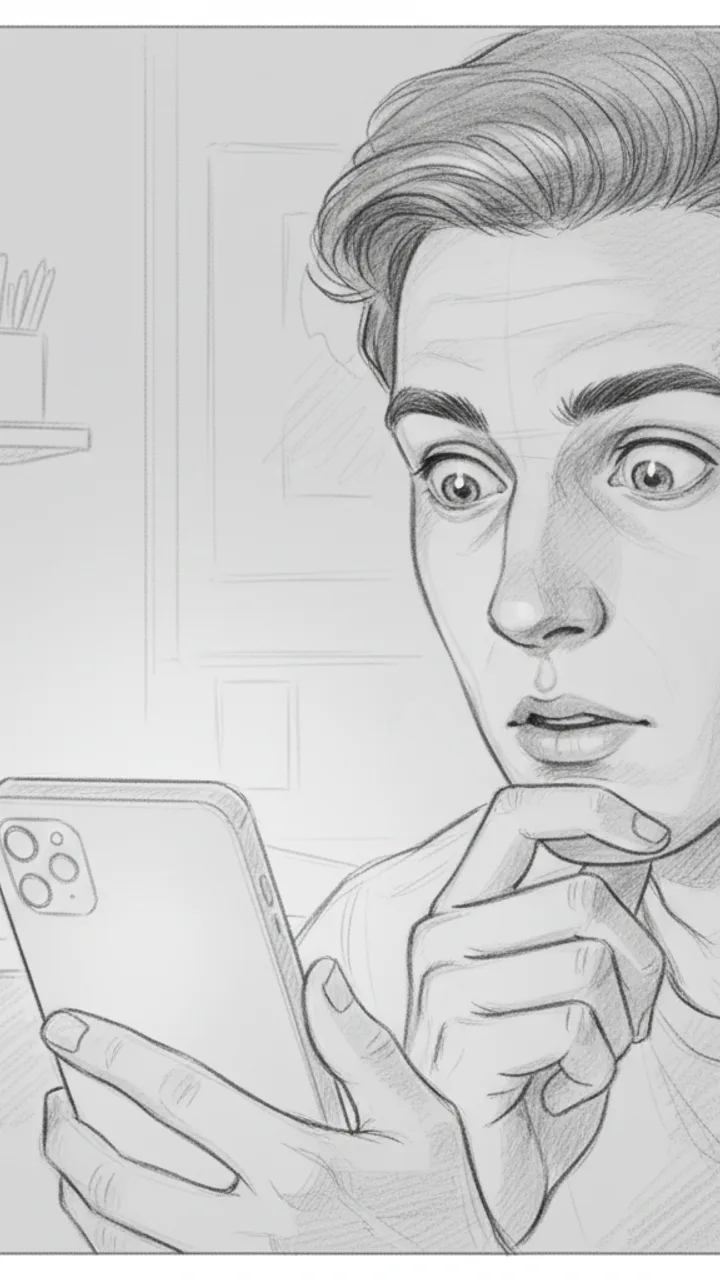
Visual: Tight close-up on creator's face, slightly over-the-shoulder angle, phone screen faintly visible in hand. Text overlay in bold white: '$47/MONTH I FORGOT ABOUT'
Audio: I just found out I'm paying for three subscriptions I completely forgot existed.
Note: Deliver with a flat, tired expression — not dramatic, just genuinely annoyed at yourself. Hook doubles as thumbnail headline.
The Discovery
0:03 - 0:18 · 15s
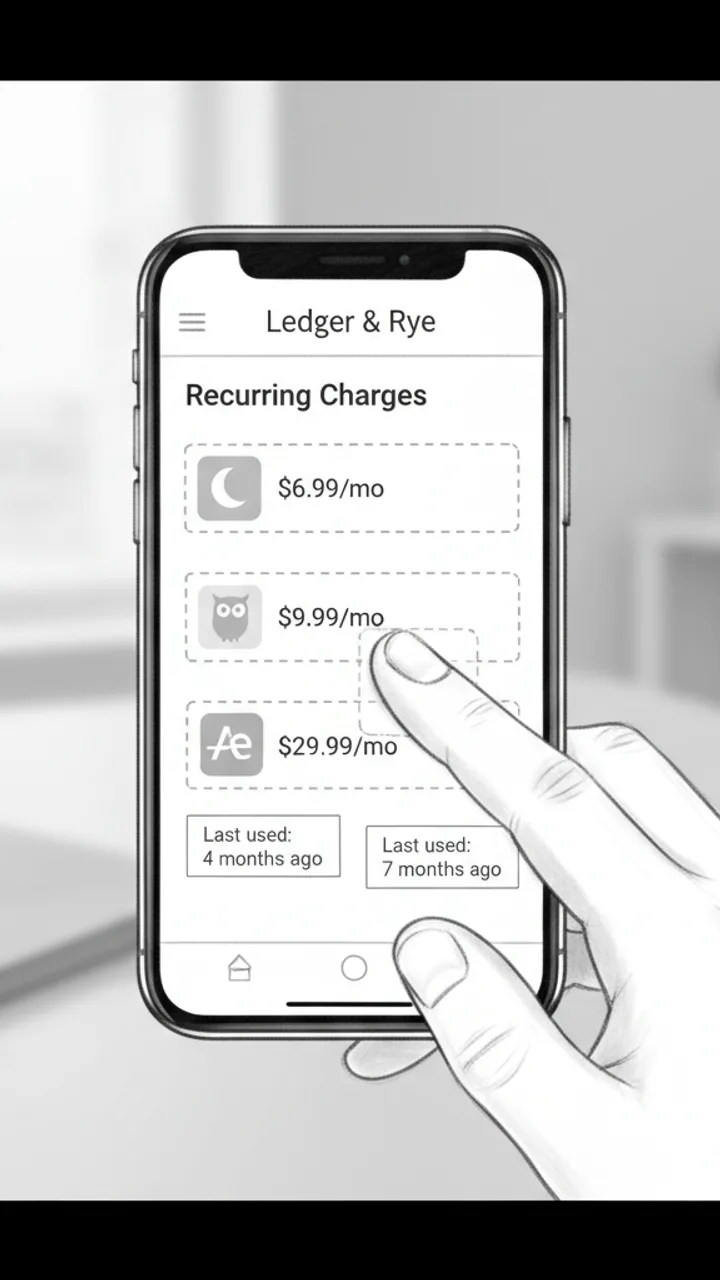
Visual: Screen recording of Ledger & Rye app open to a 'Recurring Charges' summary panel. Three line items animate in one by one: 'Calm — $6.99/mo', 'Duolingo Plus — $9.99/mo', 'Adobe Express — $29.99/mo'. Creator's thumb taps each one. Text overlay appears under each: 'Last used: 4 months ago', 'Last used: 7 months ago', 'Last used: 2 months ago'
Audio: So I opened Ledger and Rye and it flagged this 'Recurring Charges' section — and there's Calm, which I downloaded during a very specific week in 2022. Duolingo Plus, because apparently I was going to learn Portuguese. And Adobe Express for $30 a month, which… I genuinely cannot explain.
Note: Keep the screen recording clean and unedited — real app UI, no motion graphics added in post. The mundane specificity of the apps is the joke.
The Math
0:18 - 0:30 · 12s
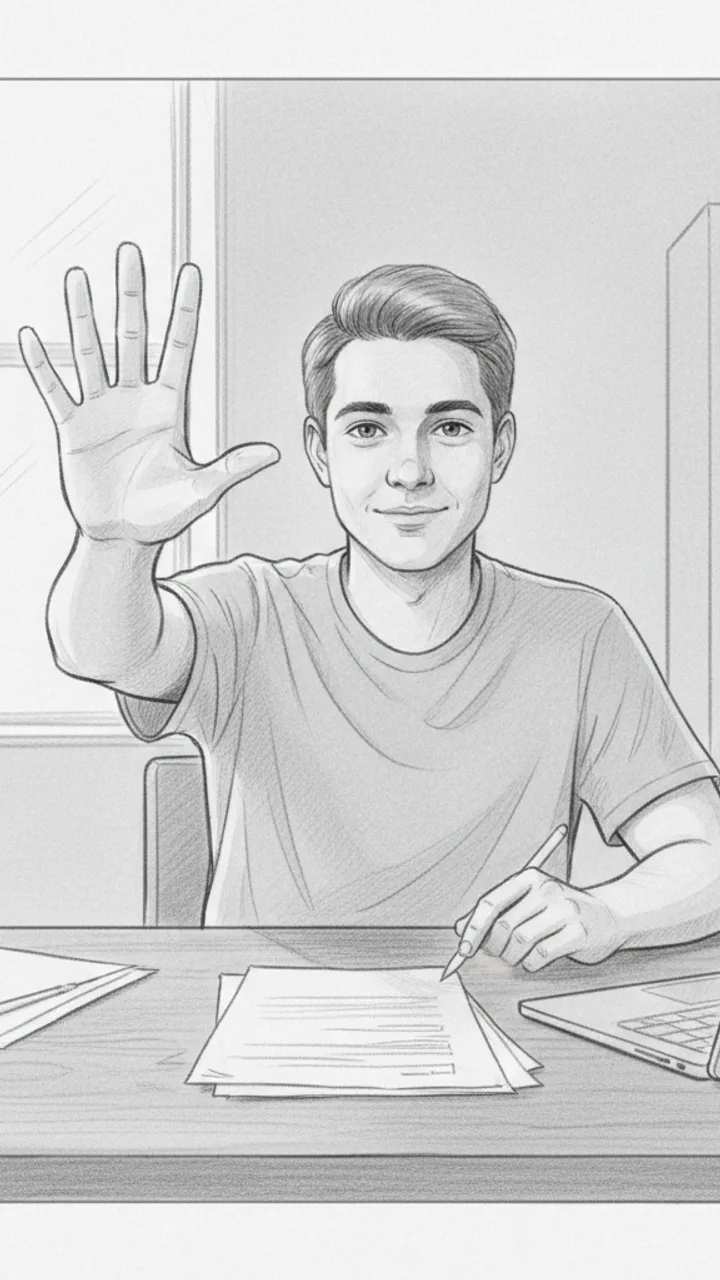
Visual: Cut back to creator on camera, medium shot, sitting at a desk. Creator holds up three fingers and counts down. Text overlay bottom-center: '$47 / month = $564 / year'
Audio: That's $47 a month. Which is $564 a year. On apps I haven't opened since before I moved apartments. I cancelled all three in like four minutes. I'm not saying I'm bad with money, but I'm also not NOT saying that.
Note: Pause naturally after '$564 a year' — let the number land before the self-deprecating closer. No need to rush.
Soft CTA
0:30 - 0:38 · 8s
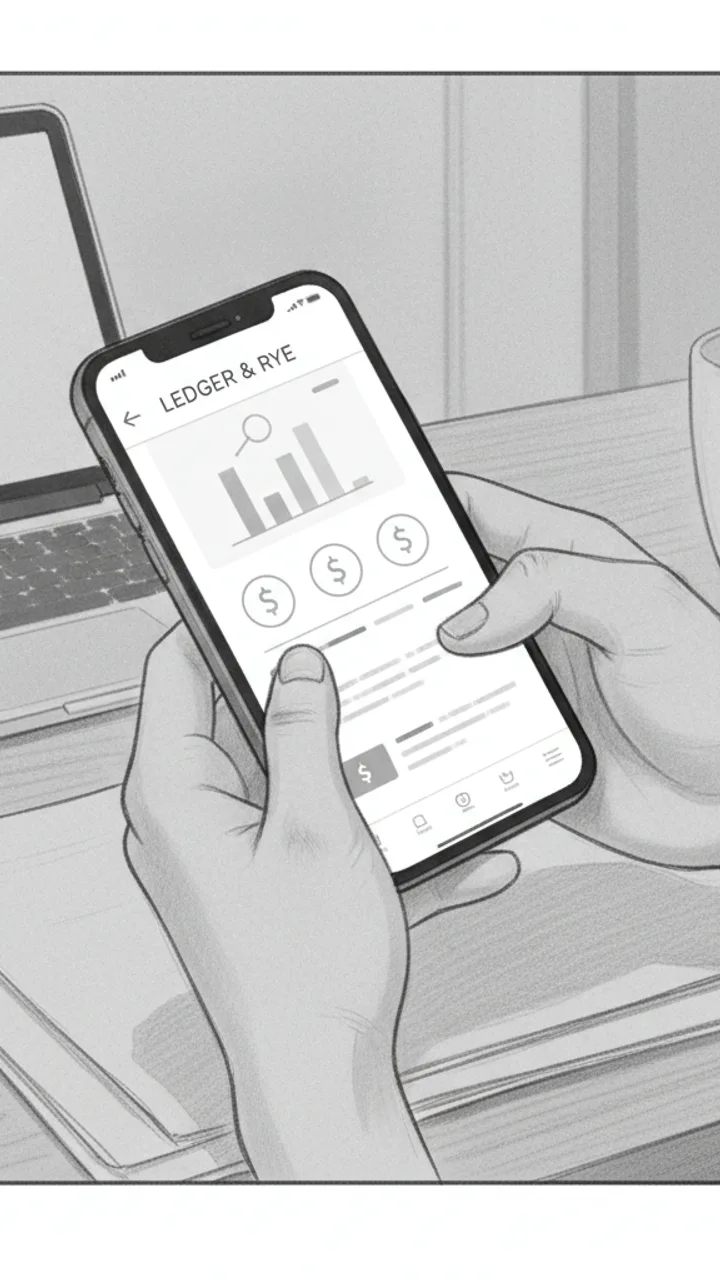
Visual: Creator tilts phone toward camera briefly showing the Ledger & Rye home screen, then sets it face-down. Minimal text overlay bottom-left: 'Ledger & Rye — link in bio'
Audio: If you haven't checked yours in a while, the app is called Ledger and Rye — it's free to start. Genuinely took me less time than this video to find all of it.
Note: Tone should feel like a recommendation to a friend, not a pitch. No urgency language. Creator sets the phone down casually — signals the video is over naturally.
Generate yours to see all 4 scenes unlocked
Includes hook variations, AI judge scores, and storyboard sketches per scene.
Generate your script freeFrequently asked questions
Can it handle specific brand requirements from Audible or BOTM?
Yes. You can upload the brand brief as a PDF or copy-paste the text. The AI judge panel specifically checks the generated script against the brand's 'must-haves' and 'do-not-says' to ensure you don't miss a mandatory talking point while keeping the tone authentic.
Does the generator work for different genres like Manga or Non-Fiction?
The tool adapts based on the book metadata you provide. If it's Manga, it suggests faster cuts and more focus on art style. For Non-Fiction, it leans into 'problem-solution' hooks and actionable takeaways that work well in the educational side of BookTok.
Will the scripts sound like everyone else using the tool?
No, because the primary input is your own content history. The 'executive producer' function uses your unique voice as the foundation, meaning two creators using the same brand brief for the same book will get entirely different script variations based on their personal styles.
What if I don't like the storyboard sketches?
The sketches are meant as production guides, not final art. They help you visualize the framing (like a 'close up on bookshelf' or 'mid-shot holding book'). You can easily regenerate specific scenes or edit the action notes to better fit your available filming space.
Does it suggest trending sounds or music?
It suggests the 'type' of sound—such as 'low-fi beats' or 'tense orchestral'—based on the genre and pacing. Since TikTok trends move faster than any software can track, we focus on the structural audio needs rather than naming specific trending audio clips.
Related script templates
Generate your first script in under a minute
Paste a channel link and a brand brief. WeKlapp handles the analysis, scriptwriting, judging, and storyboarding.
Start free