
Cars TikTok Script Generator
The camera starts on a dirty wheel well, mid-scrub. You don't see the car brand or the creator’s face for the first three seconds. You just hear the grit of the brush and a voiceover explaining why this specific ceramic coating failed after only two months. This is the 'mechanical tension' beat that drives the most successful car reviews on TikTok. It grounds the viewer in a tactile reality before the wide shots or the spec-sheet data ever appear. Modern car enthusiasts have a high-latency filter for anything that looks like a polished commercial; they want the cold start, the actual exhaust note without backing tracks, and the honest frustration of a bolt that won't budge. WeKlapp understands that car content isn't just about the vehicle, but the friction between the owner and the machine. It analyzes your previous pacing—whether you’re a 'garage talk' minimalist or a high-energy track-day reviewer—to ensure every script feels like it came from your notes, not a marketing deck.
Trained on what works in the cars corner of TikTok
Hook variations tuned to the first 2 seconds of attention
Brand-fit angles vetted by an AI judge panel
Scene-by-scene storyboards you can revise in one click
The Boring Cleanser That Fixed My Skin Barrier
Hook: “This is the least exciting product I've ever loved.”
Angle: A chemistry-curious reviewer documents 14 days of using a ceramide cleanser as a skin-barrier reset — no drama, just honest observation.
Hook
0:00 - 0:03 · 3s
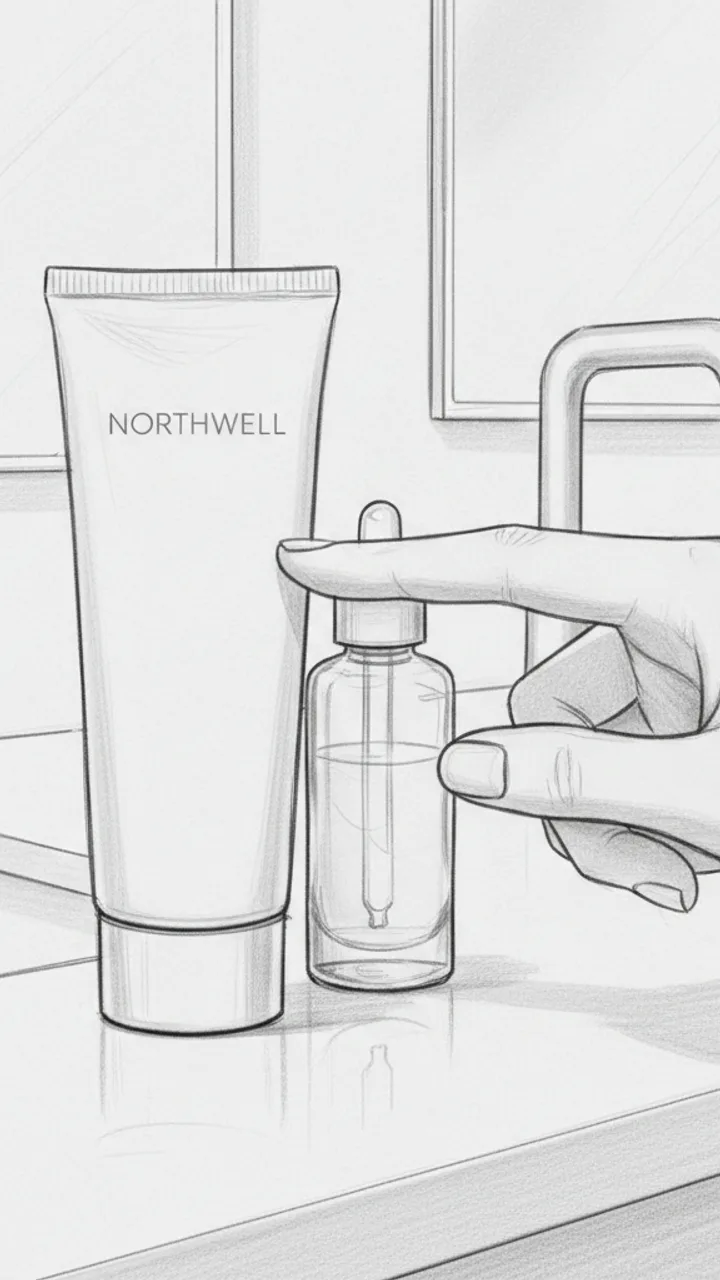
Visual: Close-up handheld shot of a plain, minimal Northwell cleanser tube sitting on a bathroom counter next to a half-empty serum. Creator's hand taps it once. Text overlay in clean sans-serif: 'THE BORING CLEANSER THAT FIXED MY SKIN BARRIER'
Audio: This is the least exciting product I've ever loved.
Note: No face needed in this shot — let the product do the work. Tap should feel casual, not performative.
The Problem Setup
0:03 - 0:15 · 12s
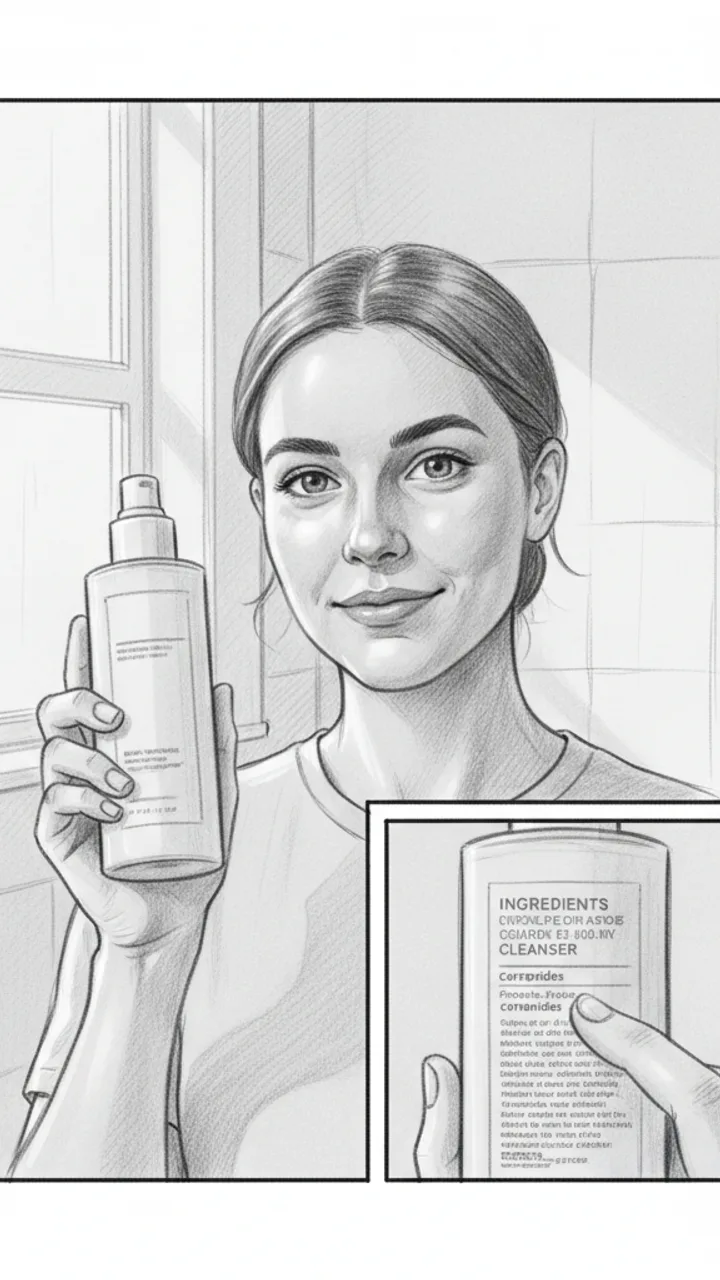
Visual: Medium shot, creator facing camera in bathroom lighting — natural, not ring-lit. Holds up cleanser. Cut to a quick close-up of the ingredient panel with a finger underlining 'ceramides.' Text overlay: 'ceramides = barrier glue, basically'
Audio: My skin was doing that thing where it's tight after washing but also somehow still flaky. Classic compromised barrier stuff. I wanted to strip it back and just use something with ceramides and nothing that would fight with my skin — so I tried the Northwell ceramide cleanser for 14 days, pretty much nothing else changed.
Note: The ingredient close-up should be legible but quick — 1.5 seconds max. Feels like a passing observation, not a lesson.
Texture and Experience
0:15 - 0:28 · 13s
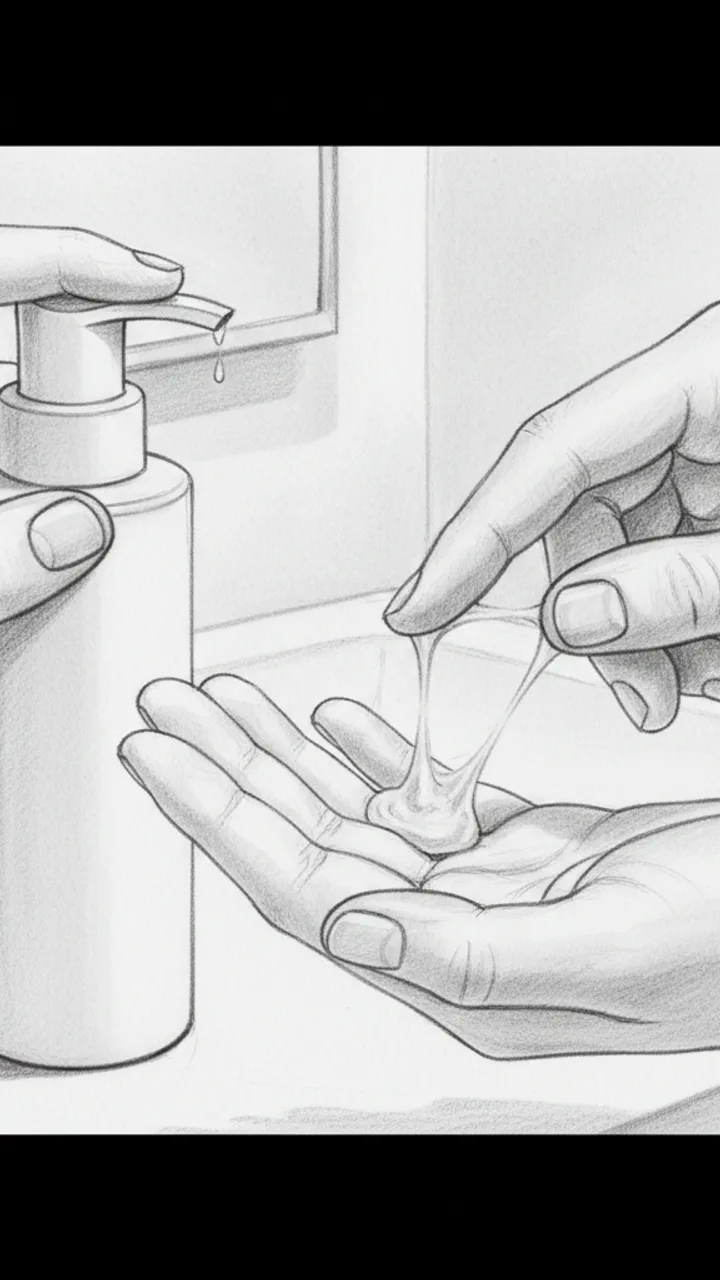
Visual: Close-up of creator dispensing a small amount onto fingers — texture is milky, slightly gel-like. Slow rub between fingers to show consistency. Text overlay: 'milky-gel, no foam, no stripping feeling'
Audio: Texture-wise it's this milky gel — doesn't lather much, which I know feels weird at first if you're used to foam. But that low-surfactant thing is kind of the point. After about day five my skin stopped feeling tight post-wash, and by day fourteen the flakiness around my nose was noticeably calmer. Not gone, but calmer. For me, that's meaningful.
Note: Keep hands in frame the whole time. The 'for me' phrasing is intentional — do not cut it.
Honest Wrap + CTA
0:28 - 0:42 · 14s
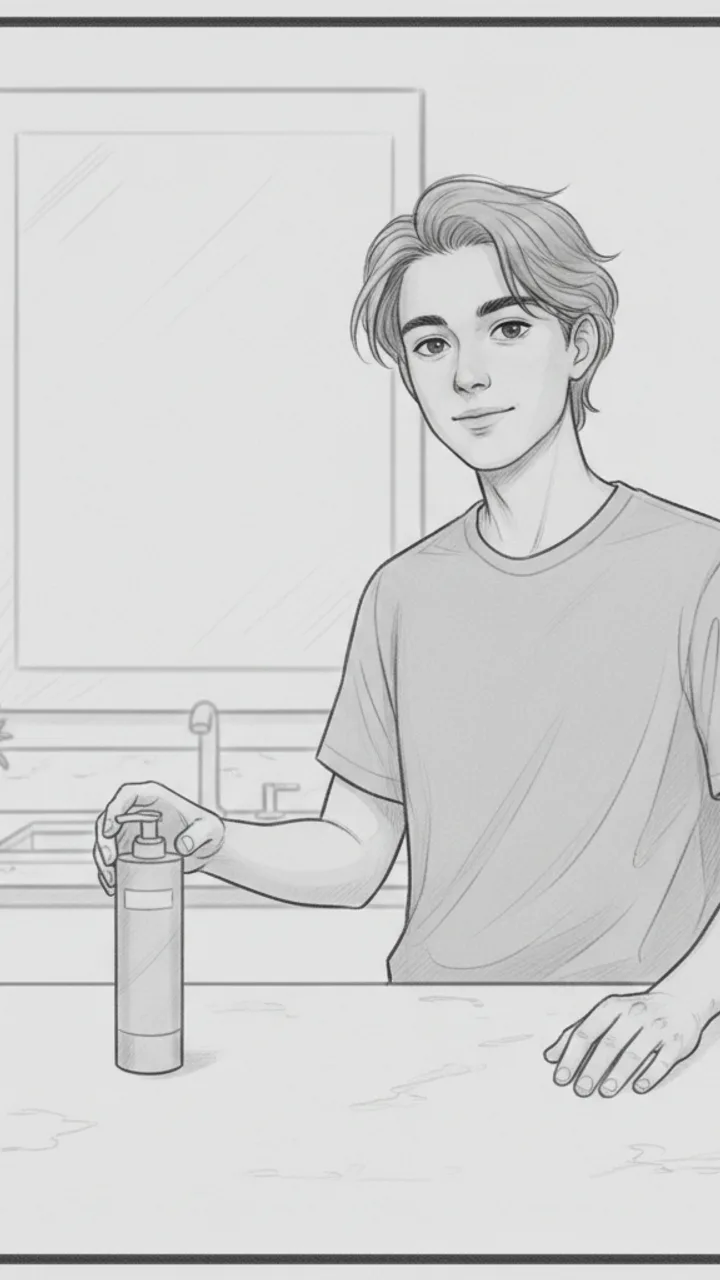
Visual: Creator back on camera, relaxed medium shot. Sets the tube down on the counter behind them naturally. Final frame holds on product. Text overlay: 'linked below if you want the boring fix too'
Audio: It's not a glamorous product. It's not going to transform your skin in a week or smell like anything interesting. But if your barrier is struggling and you want something that just — does its job without adding noise, this one earned a permanent spot for me. Link's below if you're curious.
Note: Tone should feel like a friend wrapping up a thought, not closing a pitch. No urgency language.
Generate yours to see all 4 scenes unlocked
Includes hook variations, AI judge scores, and storyboard sketches per scene.
Generate your script freeThe Anatomy of a High-Retention Car Beat Pattern
From Raw Brief to Production-Ready Shot List
- Spoken dialogue tailored to your natural slang and technical depth.
- On-screen action notes that specify camera angles, such as low-angle wheel shots or interior POV.
- Text-overlay suggestions that highlight key specs without cluttering the audio track.
- Production effort scores that estimate how many locations or setups you'll need to execute the script.
- Brand safety checks to ensure you aren't accidentally violating manufacturer guidelines while being car-guy authentic.
The Logistics of the Drive-By Constraint
A script that ignores your actual filming environment is just a wishlist, not a production plan.
Handling Technical Edge Cases and Niche Specs
Example hooks WeKlapp will generate
Common mistakes (and what to do instead)
✗ Using generic music that drowns out the natural engine sounds.
→ Lower the music ducks by 80% during cold starts or revs to let the car's 'voice' lead the audio.
✗ Reviewing the car in a crowded parking lot with distracting backgrounds.
→ Find a neutral wall or an open industrial area to ensure the viewer's eye stays on the vehicle's lines.
✗ Repeating specs that are already visible on the screen text.
→ Use the voiceover to provide 'feel'—how the steering weighs up or how the seat bolsters hug you—while letting the text handle the numbers.
I Was Paying $47/Month for Nothing
Hook: “I just found out I'm paying for three subscriptions I completely forgot existed.”
Angle: Creator opens the Ledger & Rye app live on camera and reacts in real time to forgotten subscriptions draining $47/month from their account.
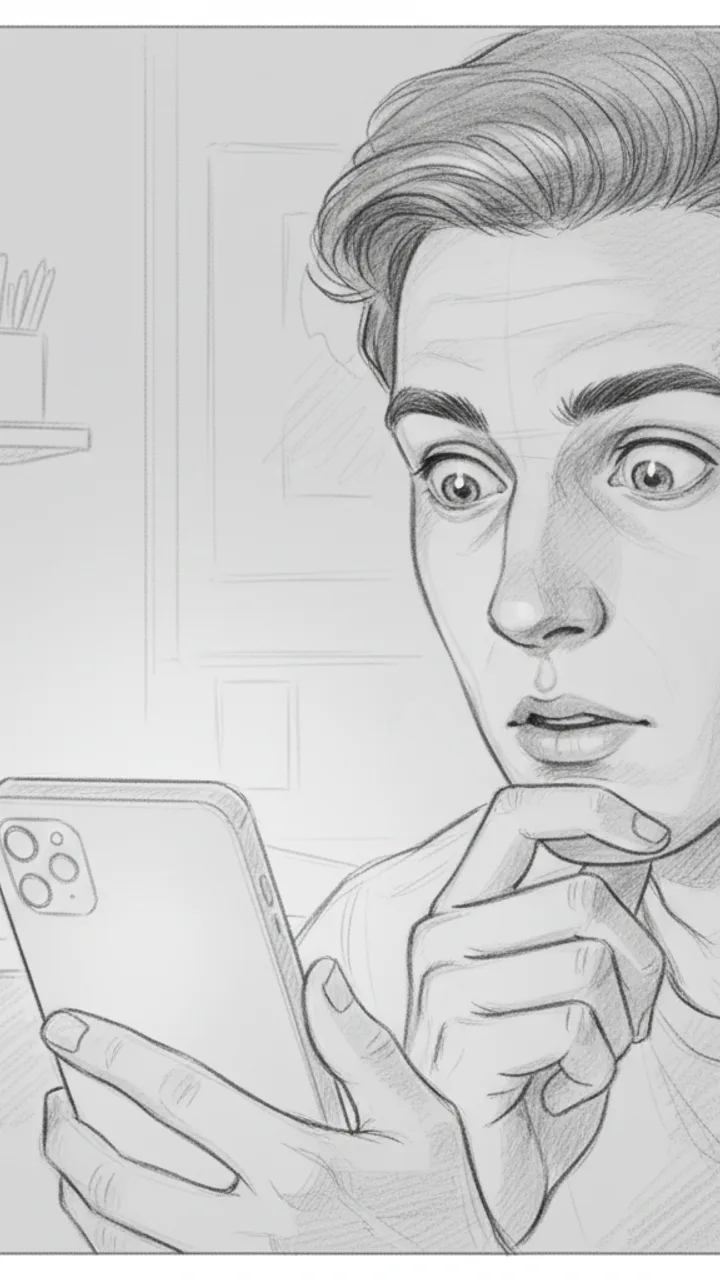
Hook
0:00 - 0:03 · 3s
Visual: Tight close-up on creator's face, slightly over-the-shoulder angle, phone screen faintly visible in hand. Text overlay in bold white: '$47/MONTH I FORGOT ABOUT'
Audio: I just found out I'm paying for three subscriptions I completely forgot existed.
Note: Deliver with a flat, tired expression — not dramatic, just genuinely annoyed at yourself. Hook doubles as thumbnail headline.
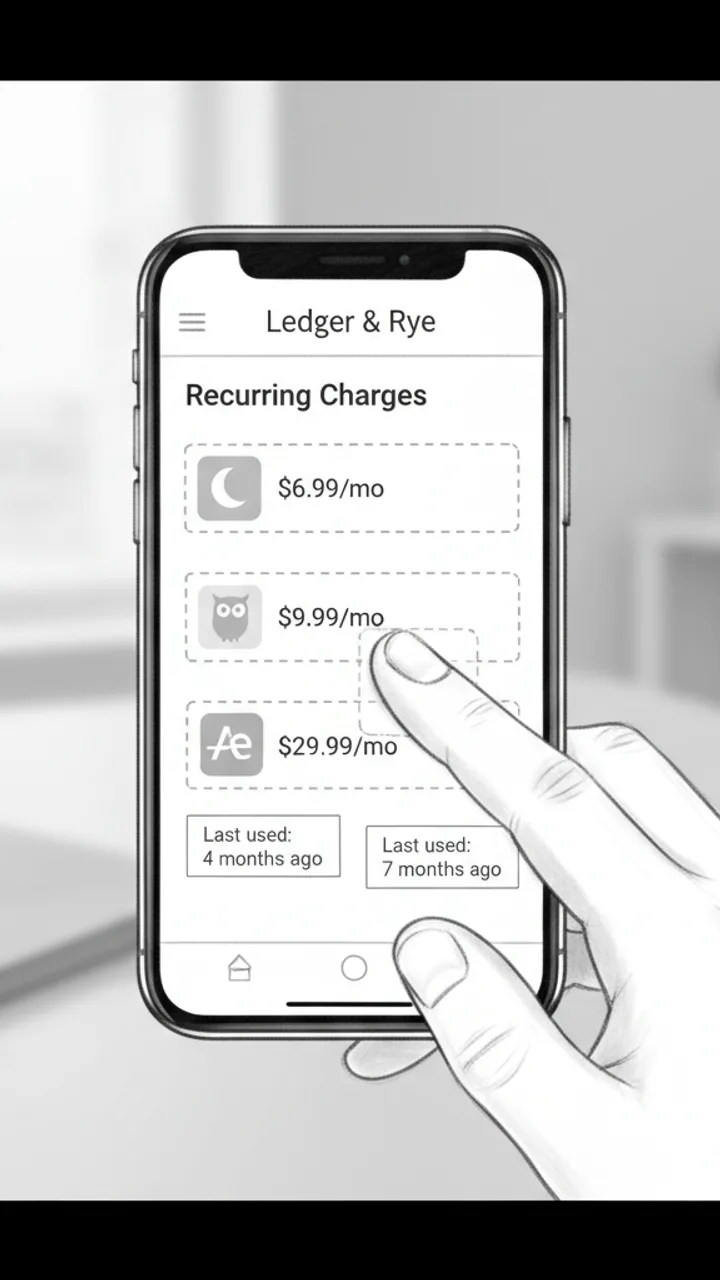
The Discovery
0:03 - 0:18 · 15s
Visual: Screen recording of Ledger & Rye app open to a 'Recurring Charges' summary panel. Three line items animate in one by one: 'Calm — $6.99/mo', 'Duolingo Plus — $9.99/mo', 'Adobe Express — $29.99/mo'. Creator's thumb taps each one. Text overlay appears under each: 'Last used: 4 months ago', 'Last used: 7 months ago', 'Last used: 2 months ago'
Audio: So I opened Ledger and Rye and it flagged this 'Recurring Charges' section — and there's Calm, which I downloaded during a very specific week in 2022. Duolingo Plus, because apparently I was going to learn Portuguese. And Adobe Express for $30 a month, which… I genuinely cannot explain.
Note: Keep the screen recording clean and unedited — real app UI, no motion graphics added in post. The mundane specificity of the apps is the joke.
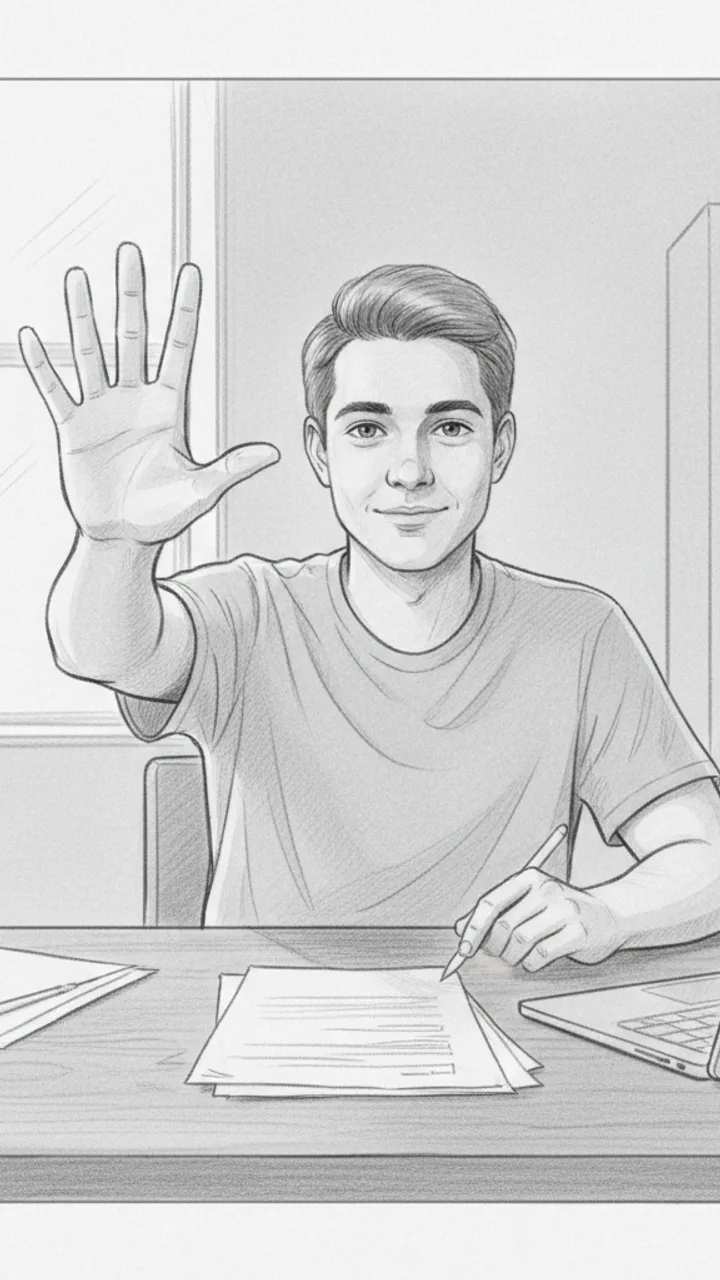
The Math
0:18 - 0:30 · 12s
Visual: Cut back to creator on camera, medium shot, sitting at a desk. Creator holds up three fingers and counts down. Text overlay bottom-center: '$47 / month = $564 / year'
Audio: That's $47 a month. Which is $564 a year. On apps I haven't opened since before I moved apartments. I cancelled all three in like four minutes. I'm not saying I'm bad with money, but I'm also not NOT saying that.
Note: Pause naturally after '$564 a year' — let the number land before the self-deprecating closer. No need to rush.
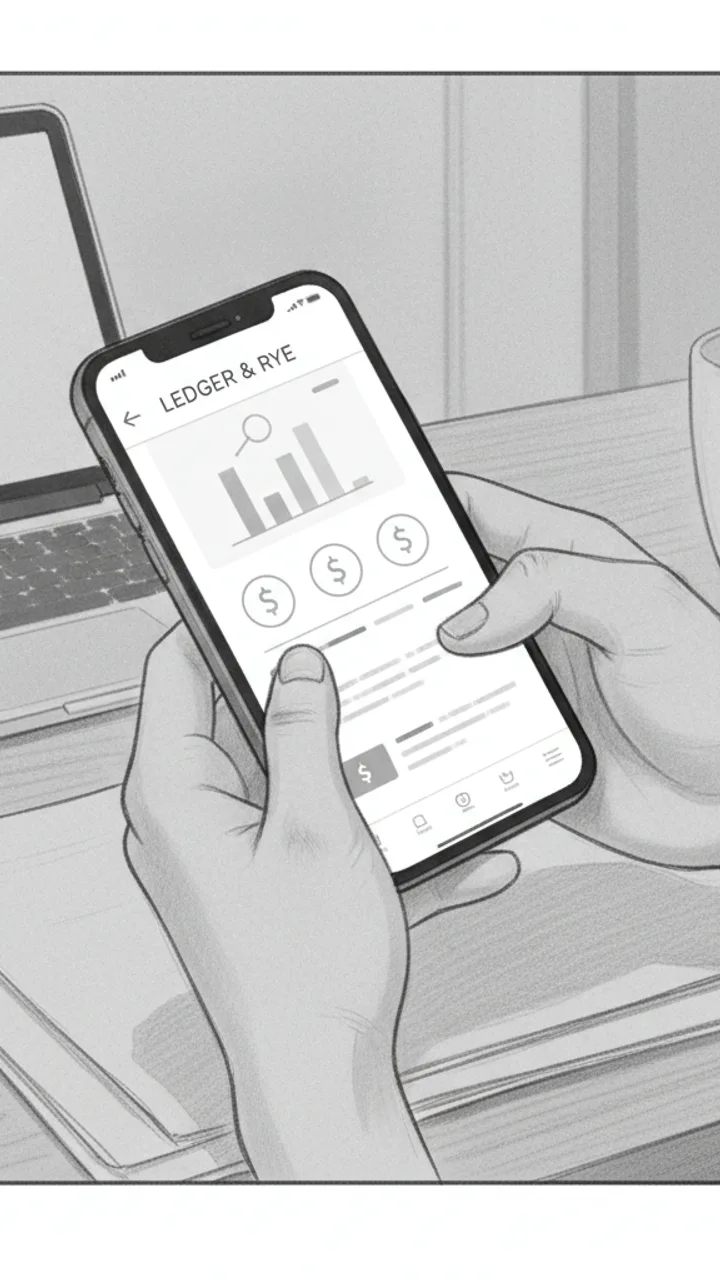
Soft CTA
0:30 - 0:38 · 8s
Visual: Creator tilts phone toward camera briefly showing the Ledger & Rye home screen, then sets it face-down. Minimal text overlay bottom-left: 'Ledger & Rye — link in bio'
Audio: If you haven't checked yours in a while, the app is called Ledger and Rye — it's free to start. Genuinely took me less time than this video to find all of it.
Note: Tone should feel like a recommendation to a friend, not a pitch. No urgency language. Creator sets the phone down casually — signals the video is over naturally.
Generate yours to see all 4 scenes unlocked
Includes hook variations, AI judge scores, and storyboard sketches per scene.
Generate your script freeFrequently asked questions
Can it handle specific brand guidelines from companies like CarMax?
Yes. When you upload a brand brief from a partner like CarMax, the AI identifies non-negotiable talking points or legal disclaimers. It then weaves these into the script so they feel like a natural part of your commentary rather than a jarring commercial break.
What if the AI suggests a shot I can't actually film?
You can set production 'constraints' in your profile. If you specify that you don't have a drone or a gimbal, the AI will prioritize handheld or static tripod shots. The goal is to produce a script that you can actually execute in a single afternoon.
Does the generator understand technical car terminology?
The model is trained on enthusiast-level automotive content. It understands the nuances between different forced induction systems, drivetrain layouts, and suspension setups. You can also provide a 'fact sheet' to ensure it uses the exact specs for a specific model year.
How many script variations do I get per brief?
WeKlapp typically generates three distinct variations: one that is high-energy and hook-heavy, one that is more educational and 'deep dive' focused, and one that is a minimalist 'vibe' edit. This gives you options depending on the specific car or campaign goal.
Can I export these scripts to use while I'm on location?
Every script can be exported to Word or a mobile-friendly PDF. This includes the storyboard sketches and the timecoded shot list, making it easy to use as a checklist while you are out with the car.
Related script templates
Generate your first script in under a minute
Paste a channel link and a brand brief. WeKlapp handles the analysis, scriptwriting, judging, and storyboarding.
Start free